Extraction Systems
Kitchen extraction hoods that keep kitchens cooler and cleaner
A properly engineered extraction system is essential for hygiene, comfort, and compliance. We fabricate hoods, ducting, and support components that are sized to the actual cooking load rather than guessed from a catalogue.
6
Products
Categories
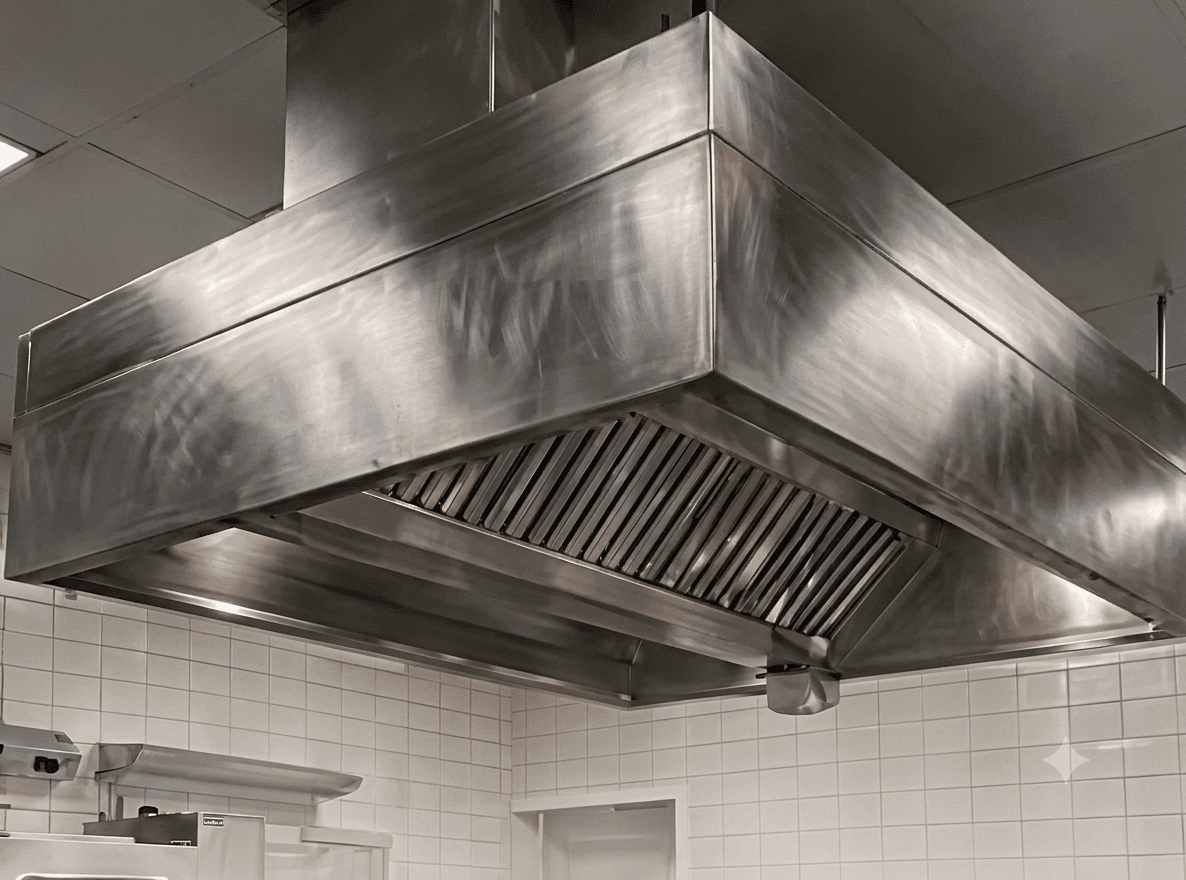
Stainless Steel Island Hood
SPEC: SS-304 / CUSTOM
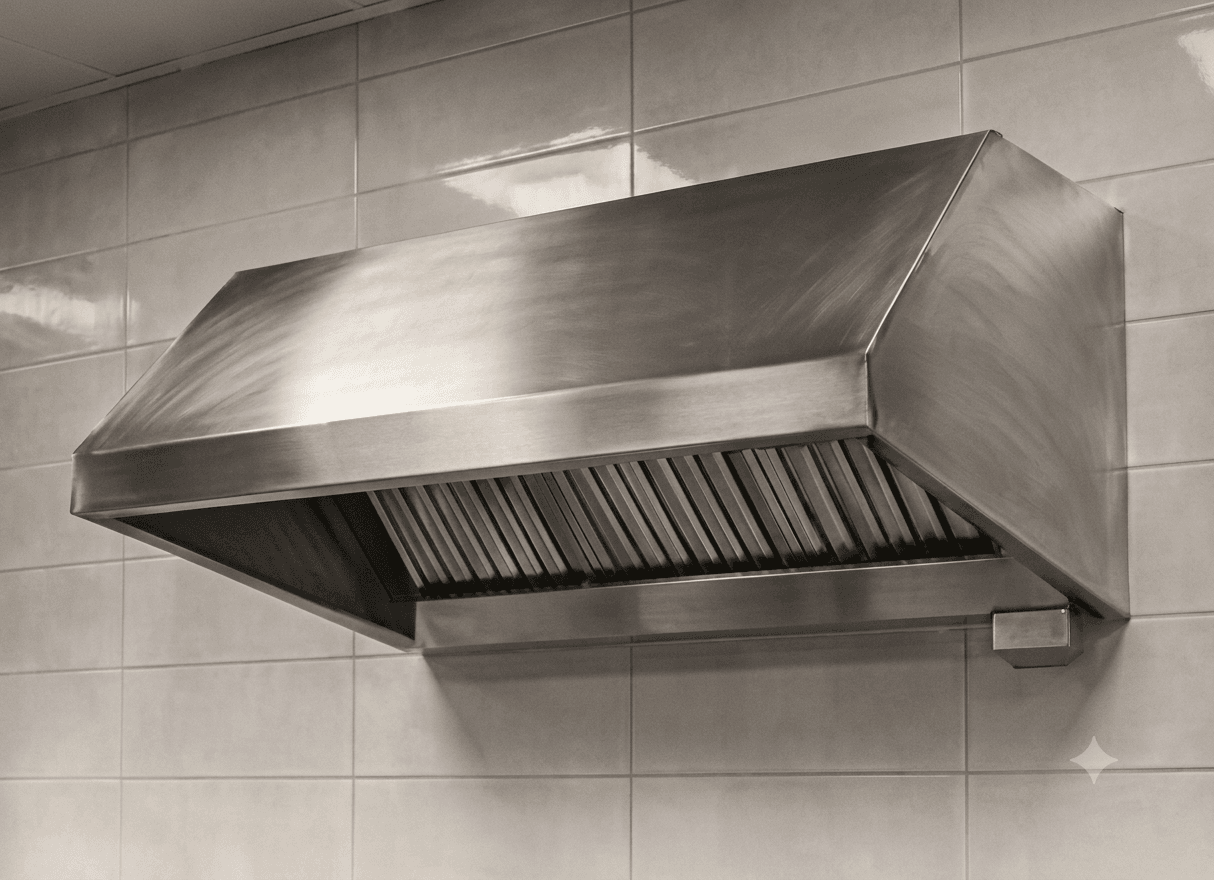
Stainless Steel Wall-Type Hood
SPEC: SS-304 / CUSTOM
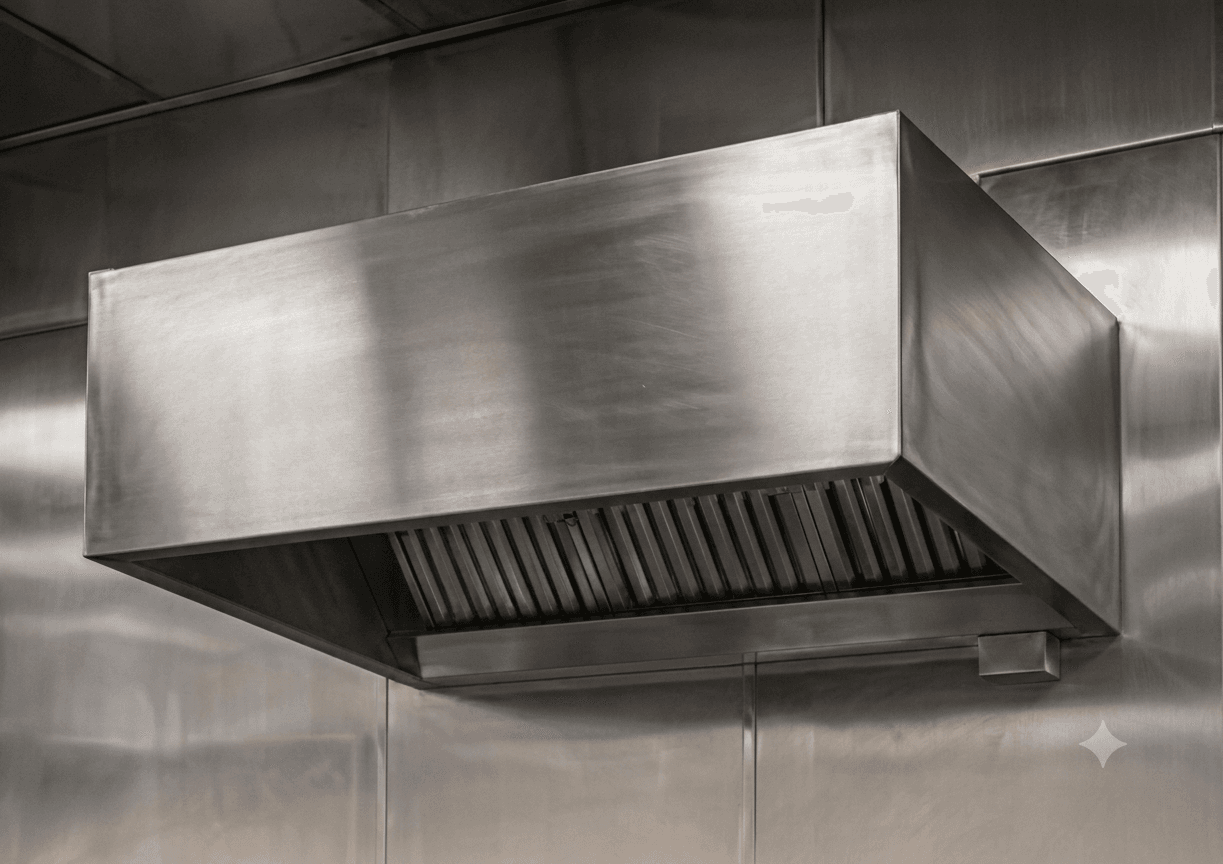
Stainless Steel Box Hood
SPEC: SS-304 / CUSTOM
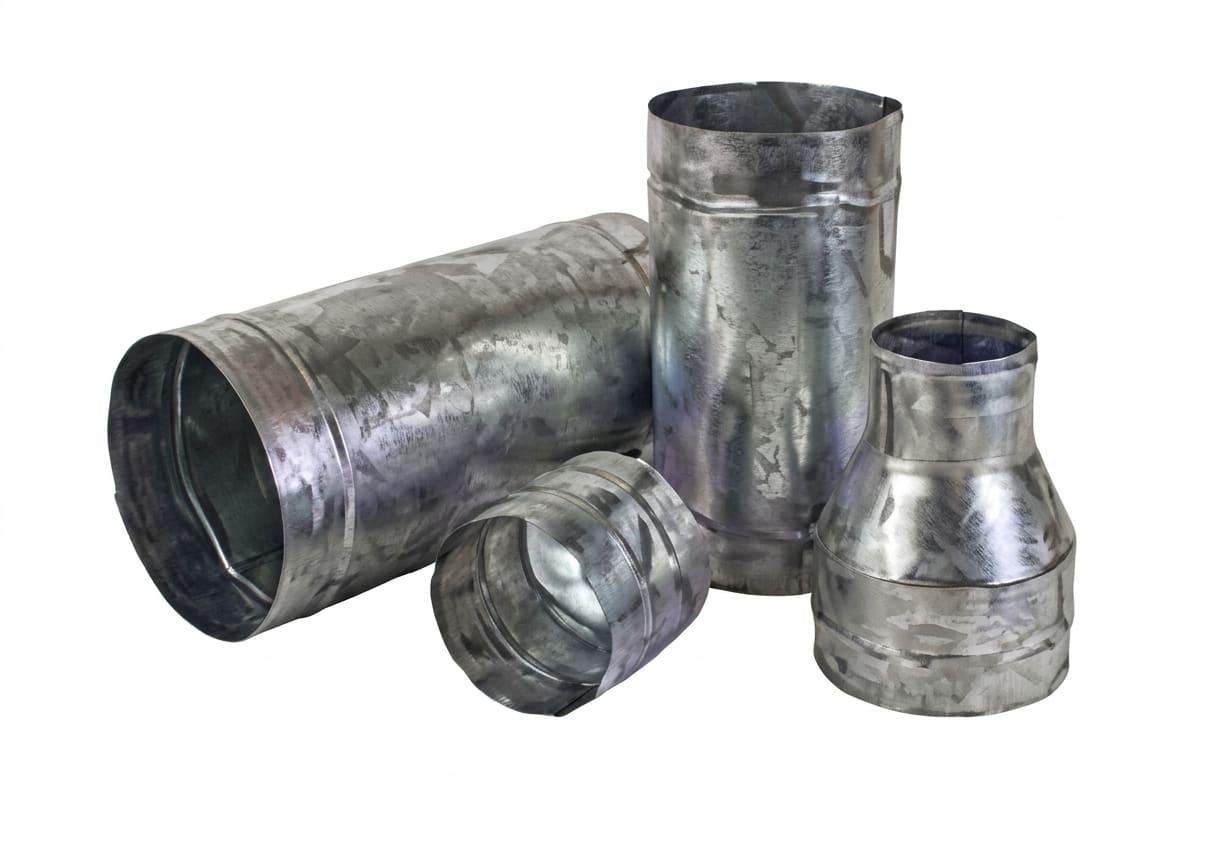
Stainless Steel GI Ducting (Galvanized Iron)
SPEC: CUSTOM FABRICATION
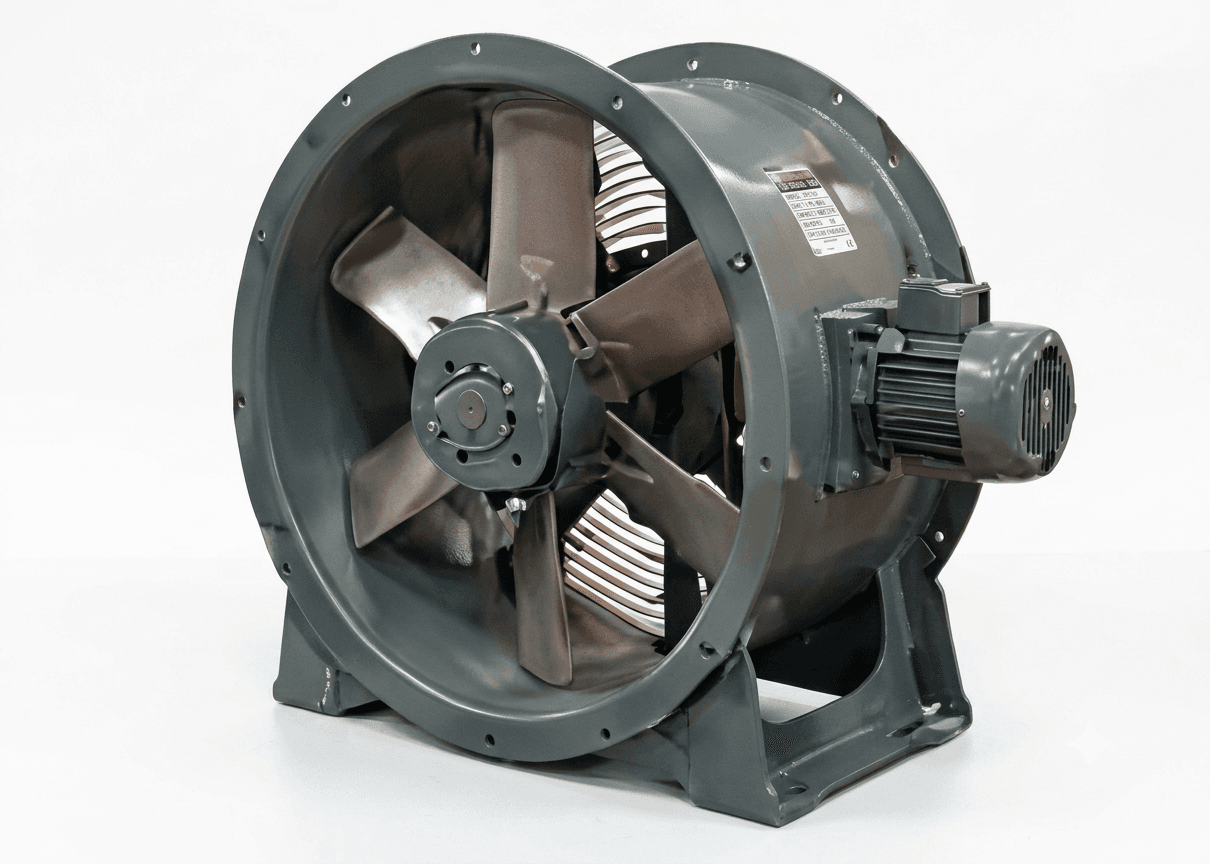
Stainless Steel Axial Fan
SPEC: CUSTOM FABRICATION
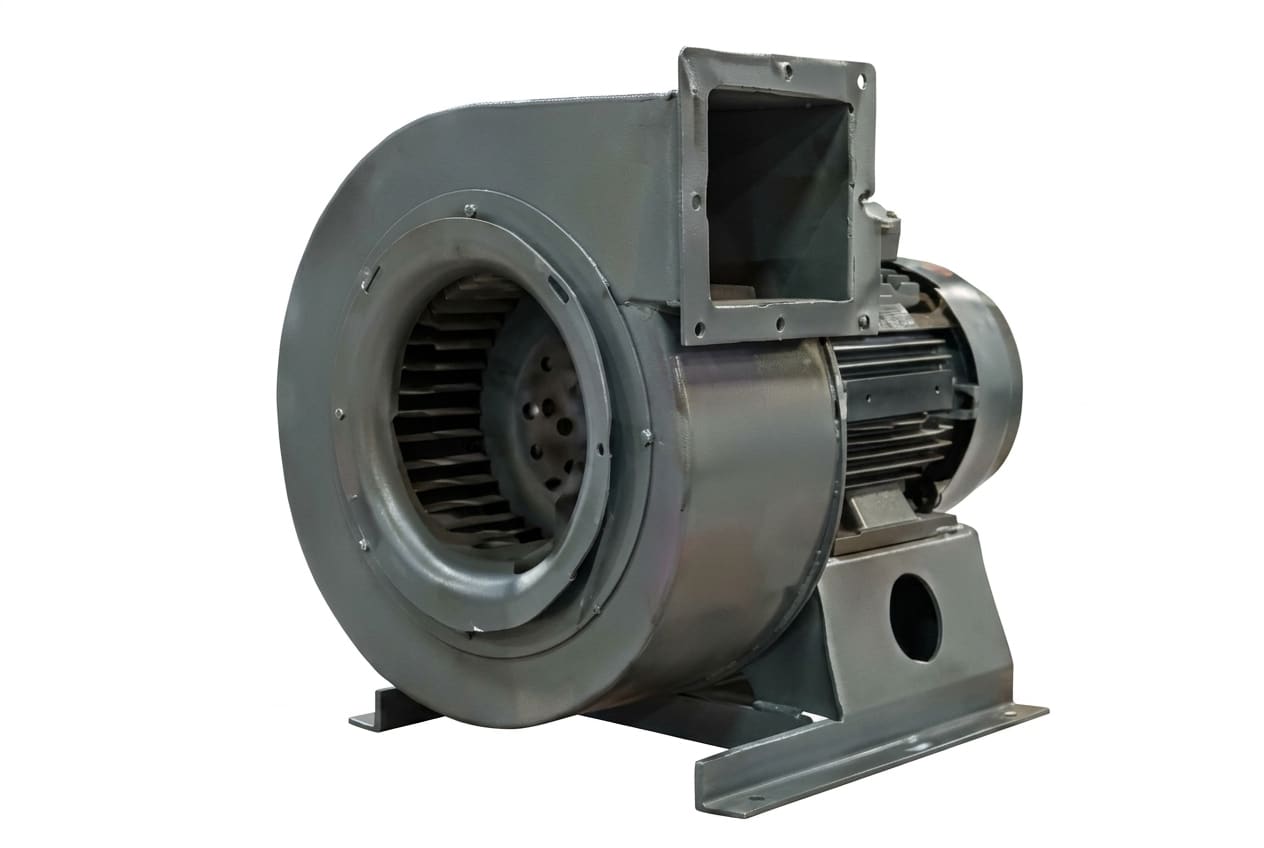
Stainless Steel Centrifugal Fan
SPEC: CUSTOM FABRICATION
Buying Guide
Extraction Systems Equipment in Kenya — What to Know
What this line covers
Extraction systems include island hoods, wall hoods, box hoods, galvanized ducting, axial fans, and centrifugal fans. Together they create a complete ventilation path for commercial kitchens.
Why it matters in Kenya
Hotels, restaurants, and institutions need kitchen ventilation that handles heat, dust, and grease while keeping working conditions comfortable. Good extraction also supports cleaner finishes and reduced maintenance over time.
Best for
Open cooking stations, hotel kitchens, school kitchens, banquet facilities, and any project where exhaust capture, airflow, and maintainable ducting are part of the brief.
Also searched as extraction hoods, kitchen hoods, extractor hoods, exhaust hoods, kitchen canopies and commercial kitchen extraction systems.
How to Size a Kitchen Extraction Hood
The canopy must overhang the cooking equipment by at least 300 mm on every exposed side, and extract volume follows the total kW of the appliances beneath it. Undersizing is the single most common extraction fault we are called to correct.
- Measure the full cooking suite, not one appliance — a range with a fryer beside it needs one canopy covering both
- Mount the canopy 1,900–2,100 mm above finished floor level for comfortable working height
- Above roughly 1,500 m³/hr, a dedicated make-up air supply becomes essential
- Plan grease filter access at standing height — filters that are hard to reach do not get cleaned
Island, Wall or Box Hood
A wall-type hood is the most economical option when the cooking line sits against a wall. An island hood is needed for a suite worked from both sides and extracts more air for the same equipment. A box hood suits a confined space or a single appliance.
Ducting and Fan Selection
Ducting must maintain velocity to carry grease rather than deposit it. We fabricate galvanised iron ducting with accessible cleaning points, and specify axial fans for shorter straighter runs or centrifugal fans where static pressure is higher.
Extraction Systems Price Guide — Indicative KES Ranges
Ranges reflect fabricated Grade 201 | 304 stainless steel at typical commercial specification. Final quotes depend on size, gauge, grade and site conditions.
| Item | Indicative range | What moves the price |
|---|---|---|
| Wall-type canopy hood | KES 65,000 – 180,000 | Length, filter type, gauge |
| Island canopy hood | KES 120,000 – 380,000 | Length, double-sided extract volume |
| Box hood | KES 35,000 – 95,000 | Footprint and appliance duty |
| GI ducting | KES 4,500 – 9,000 per metre | Section size, bends, access panels |
| Axial / centrifugal fan | KES 45,000 – 160,000 | Airflow, static pressure, motor rating |
Extraction Systems — Frequently Asked Questions
How do I size an extraction hood for a commercial kitchen?
Start from the cooking equipment: the canopy must overhang it by at least 300 mm on every exposed side, and extract volume is calculated from the combined kW rating of the appliances beneath. We size the canopy and the fan together — a correct canopy on an undersized fan still fails.
Does a commercial kitchen in Kenya need make-up air?
Above roughly 1,500 m³/hr of extract, yes. Without a dedicated fresh-air supply the extraction pulls against a closed room, which reduces capture, causes door draughts, and can affect gas appliance combustion. It should be planned during design, not retrofitted.
What is the difference between an island hood and a wall hood?
A wall hood covers a line set against a wall and needs less extract volume for the same equipment, making it cheaper to run. An island hood covers a suite accessible from both sides and must capture escaping air across a wider perimeter.
Do you clean or only supply extraction systems?
We fabricate and install extraction systems, and our maintenance programme includes extraction servicing — filter cleaning, fan checks and ducting inspection. Grease accumulation in ducting is a fire risk, so it should be on a scheduled interval.
Ready to build a kitchen that works better, lasts longer, and supports your business growth?
Contact Beyond Commercial Kitchen today and let's start planning your project.