Storage Area
Storage systems that make back-of-house space work harder
Good storage is not just about volume. It is about access, hygiene, and smart use of the available footprint. Our storage line helps kitchens, stores, and utility areas stay tidy and easy to manage.
3
Products
Categories
Buying Guide
Storage Area Equipment in Kenya — What to Know
What this line covers
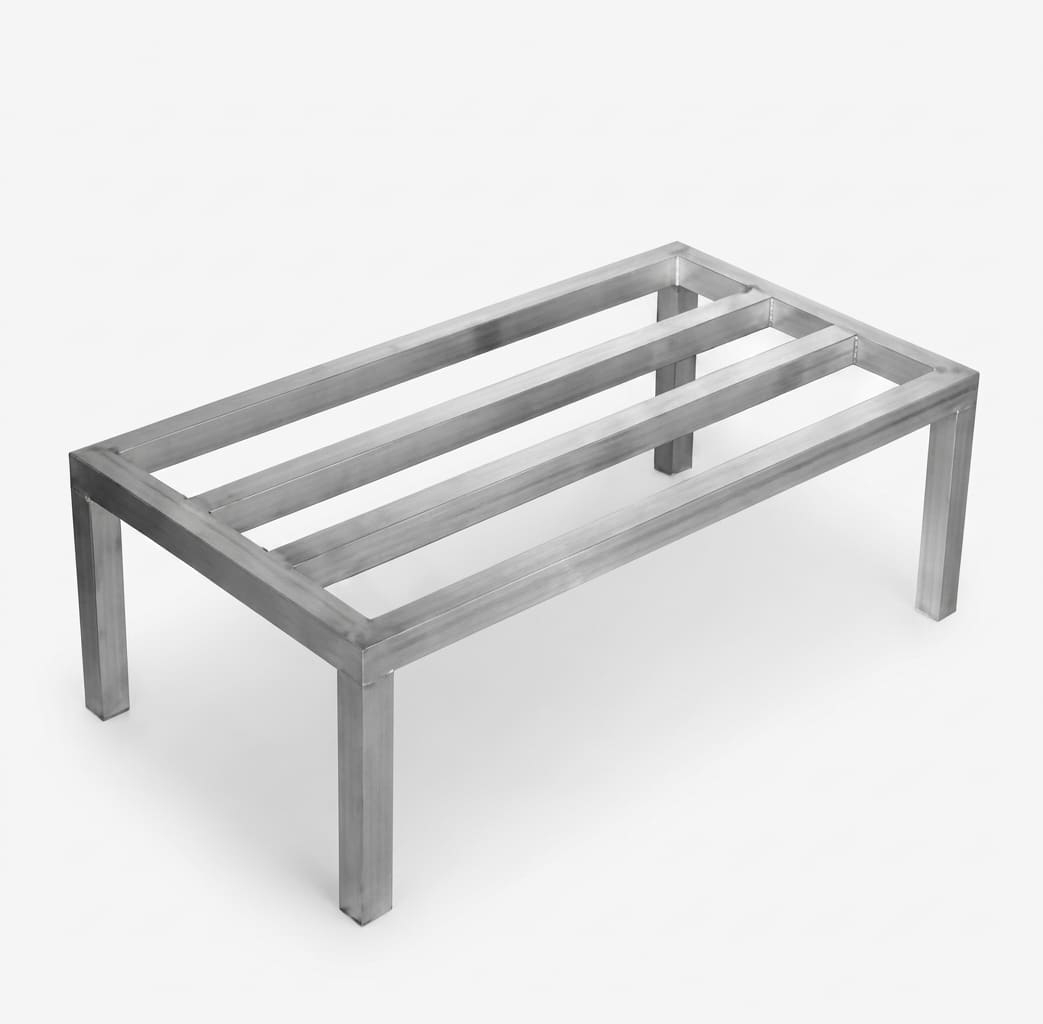
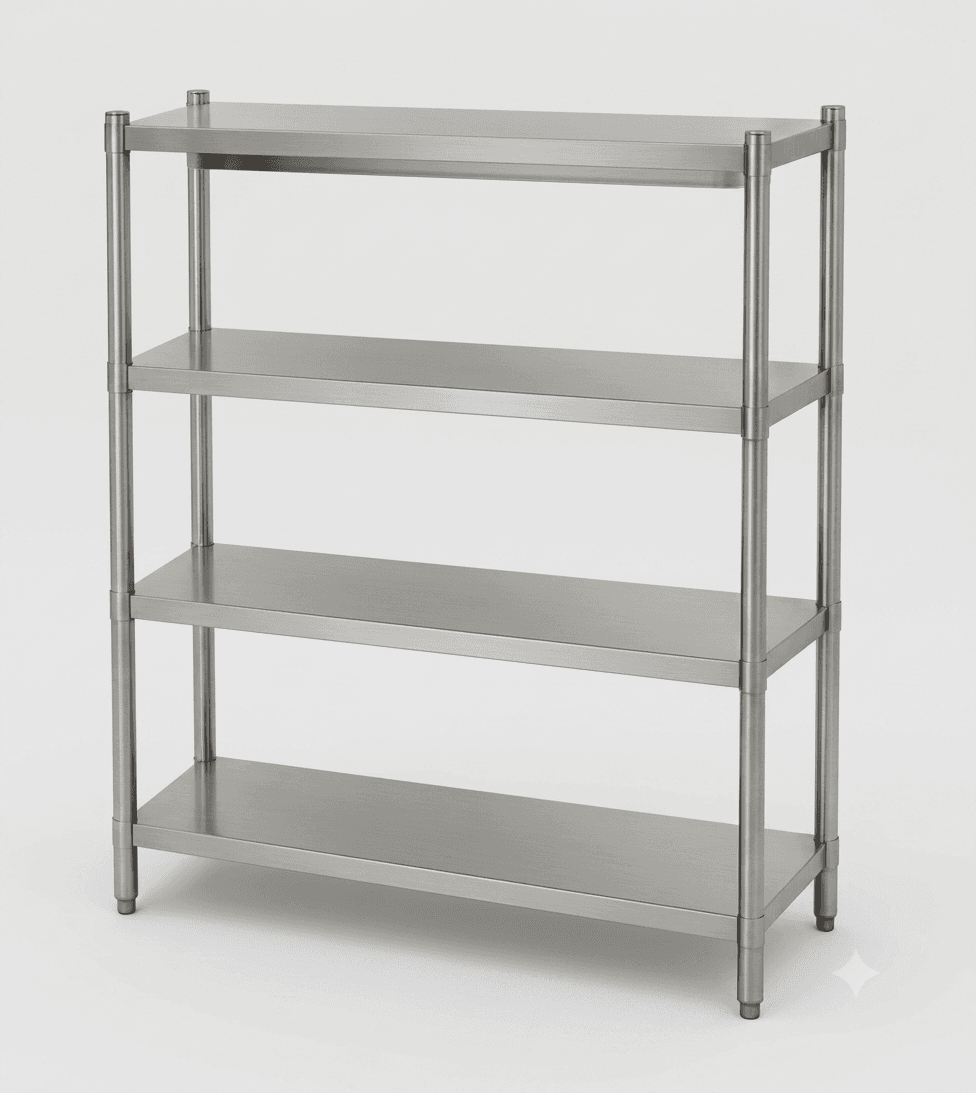
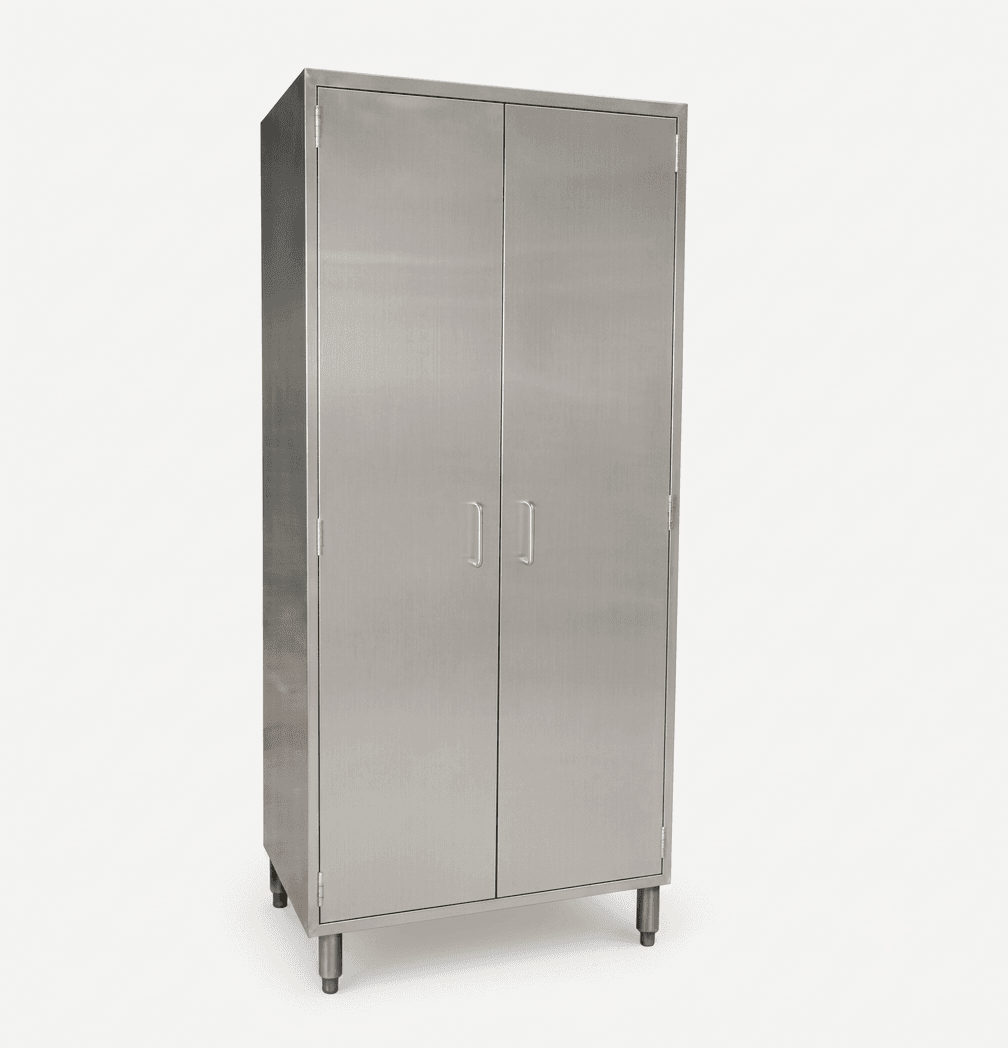
Storage products include dunnage racks, four-tier racks, and stainless steel cabinets. These are the core building blocks for organised dry storage and back-of-house stock management.
Why it matters
Better storage reduces clutter, protects stock, and makes inventory checks easier. In busy kitchens across Kenya, that translates into smoother operations and fewer losses.
Best for
Dry stores, cold room support areas, utility spaces, production kitchens, and any project where stock organisation is a priority.
Also searched as kitchen shelving, stainless steel racks, stainless racking, dry store shelving and commercial kitchen storage cabinets.
Getting Stock Off the Floor
Nothing may be stored directly on the floor in a food premises — it blocks cleaning and is an immediate inspection finding. Dunnage racks exist specifically to hold sacks, drums and bulk containers at a cleanable height.
- Dunnage racks for sacks of flour, rice, sugar and bulk drums
- Tiered racks for cartons, containers and decanted stock
- Closed cabinets for items needing protection from dust and pests
- Leave a clear cleaning gap between racking and the wall
Open Racking or Closed Cabinets?
Open racking is cheaper, ventilates better and lets an inspector see the whole store at a glance. Closed cabinets protect against dust and pests and suit smallwares, packaging and part-used stock. Most dry stores need both.
Loading and Gauge
Racking failure is almost always a loading mistake rather than a fabrication fault. Tell us what goes on each tier — a rack holding 50 kg sacks needs a different frame from one holding cartons of napkins.
Stock Rotation and Layout
A dry store only works if the oldest stock is the easiest to reach. Racking layout decides whether first-in-first-out actually happens or is quietly abandoned when the kitchen is busy, so plan the aisles and tier heights around how deliveries arrive and how stock is picked.
- Keep a clear aisle wide enough to work from with a trolley or sack in hand
- Put fast-moving stock at waist-to-shoulder height and slow-moving stock high or low
- Never store cleaning chemicals on or above food — separate racking, ideally a separate room
- Allow headroom above the top tier so stock is not wedged against the ceiling
- Label tiers so replacement stock goes back where it belongs after a rush
Cold Store and Dry Store Racking Differ
Racking inside a cold room is washed down more often and sits in permanently humid air, so it needs Grade 304 throughout rather than a 201 frame. Dry store racking can economise on the frame because it never sees standing moisture.
Storage Area Price Guide — Indicative KES Ranges
Ranges reflect fabricated Grade 201 | 304 stainless steel at typical commercial specification. Final quotes depend on size, gauge, grade and site conditions.
| Item | Indicative range | What moves the price |
|---|---|---|
| Dunnage rack | KES 8,000 – 26,000 | Footprint and load rating |
| 4-tier storage rack | KES 32,000 – 68,000 | Length, tier count, gauge |
| Stainless steel storage cabinet | KES 55,000 – 140,000 | Size, doors, shelf count |
Storage Area — Frequently Asked Questions
Can food be stored on the floor in a commercial kitchen?
No. Food premises inspections require stock to be off the floor so the floor can be cleaned underneath. Dunnage racks are the purpose-made solution for sacks, drums and bulk containers, and they are among the cheapest items in a kitchen fit-out.
How much does commercial kitchen shelving cost in Kenya?
A dunnage rack runs about KES 8,000 to 26,000 and a four-tier stainless steel storage rack KES 32,000 to 68,000, depending on length, tier count and gauge. Closed cabinets run KES 55,000 to 140,000.
Should a dry store use open racks or closed cabinets?
Most stores need both. Open racking is cheaper, ventilates better and makes stock rotation visible. Closed cabinets protect smallwares and packaging from dust and pests. We usually specify open racking for bulk and a cabinet for the rest.
Why stainless steel rather than painted steel for storage?
Painted and galvanised racking chips and then corrodes where it is washed down, and rust in a food store is an inspection finding. Grade 201 | 304 stainless steel survives repeated washing, which is what a dry store gets.
Ready to build a kitchen that works better, lasts longer, and supports your business growth?
Contact Beyond Commercial Kitchen today and let's start planning your project.