Drainage Systems
Grease traps and drainage that keep kitchens NEMA-compliant
Our stainless steel drainage systems are designed to effectively manage wastewater, prevent blockages, and control grease, ensuring a clean, odour-free, and compliant kitchen environment across Kenyan hotels, restaurants, and institutions.
4
Products
Categories
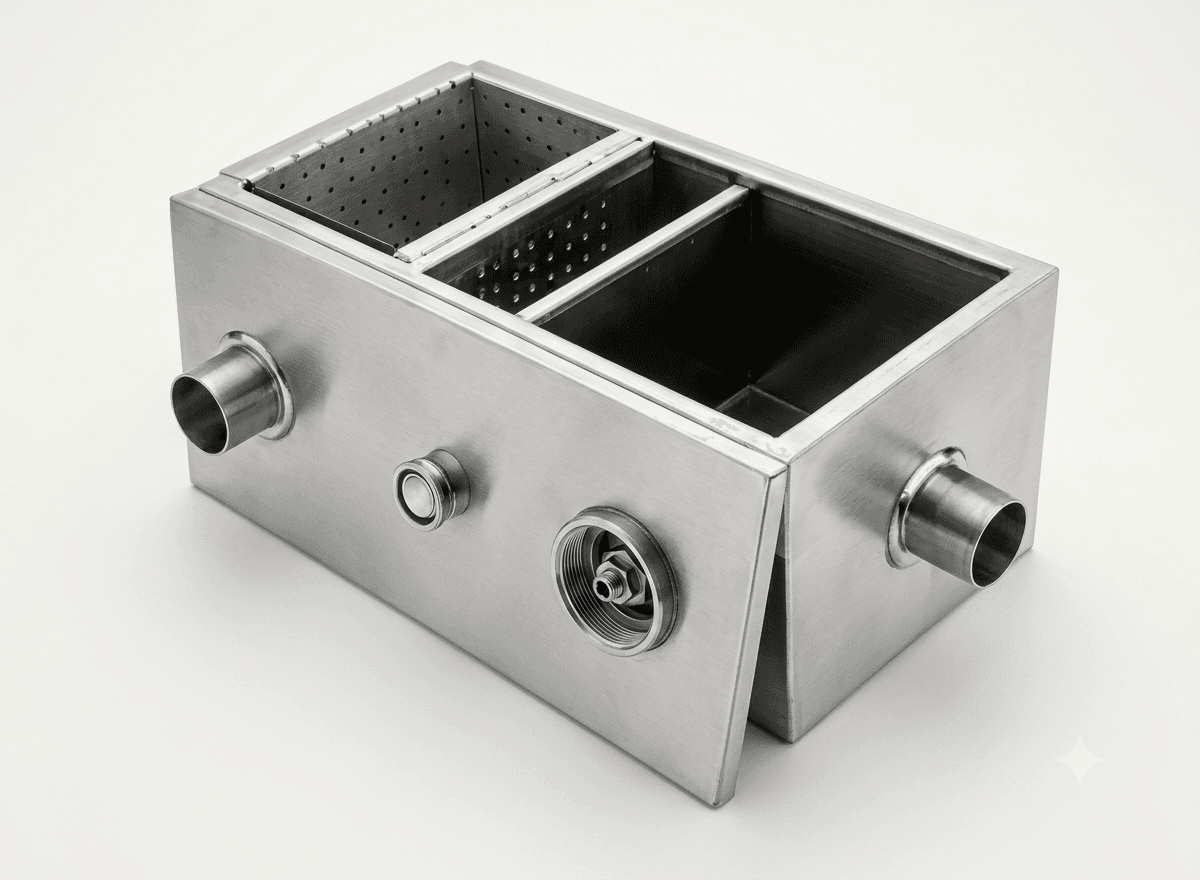
Stainless Steel Under-Sink Grease Trap
SPEC: SS-304 / CUSTOM
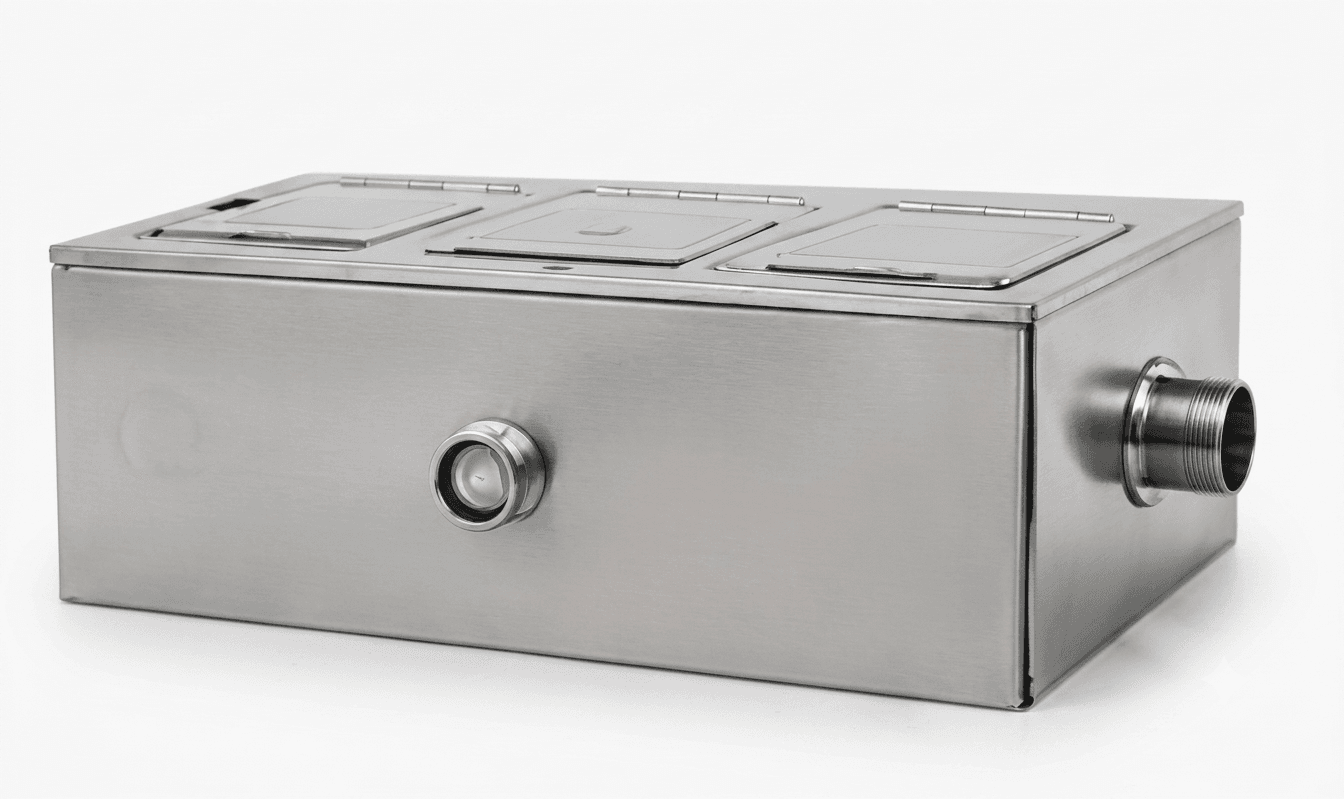
Stainless Steel Underground Grease Trap
SPEC: SS-304 / CUSTOM
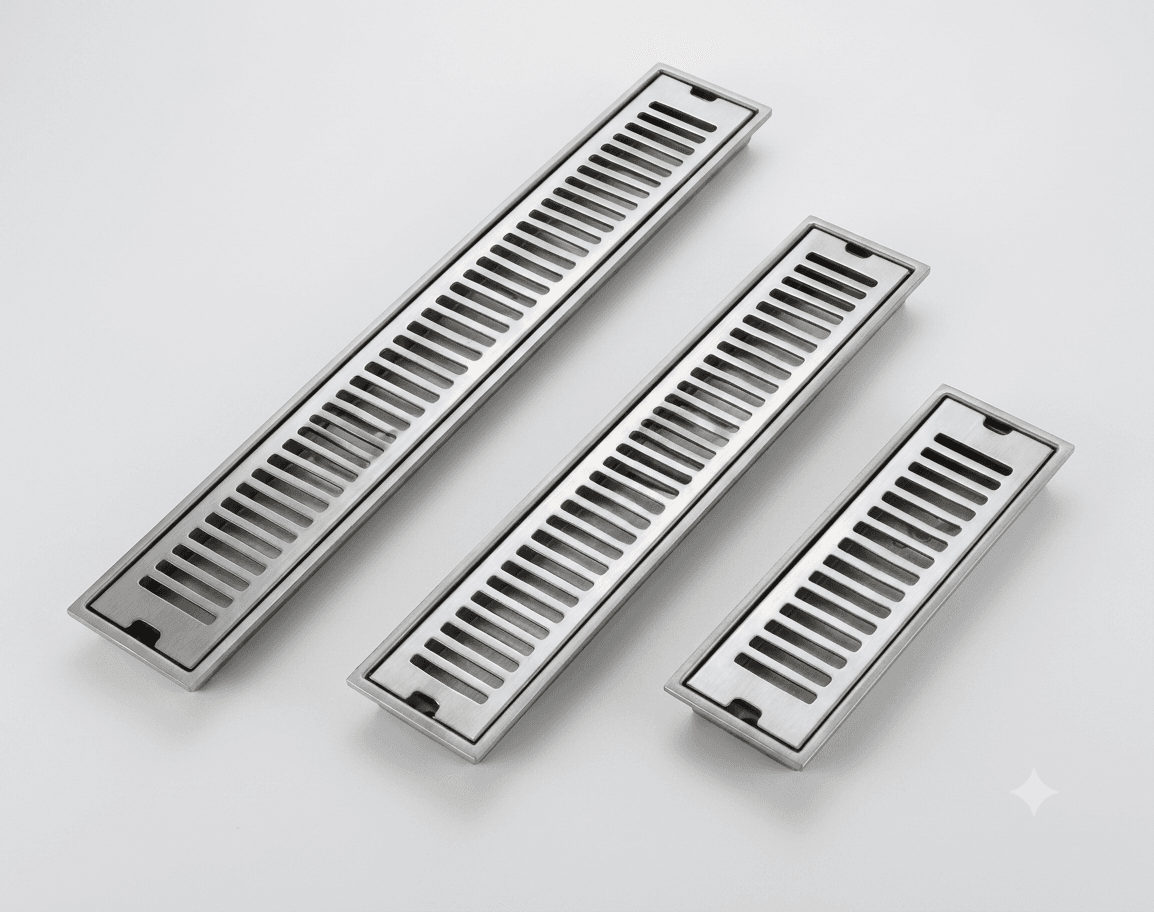
Stainless Steel Floor Drains
SPEC: SS-304 / CUSTOM
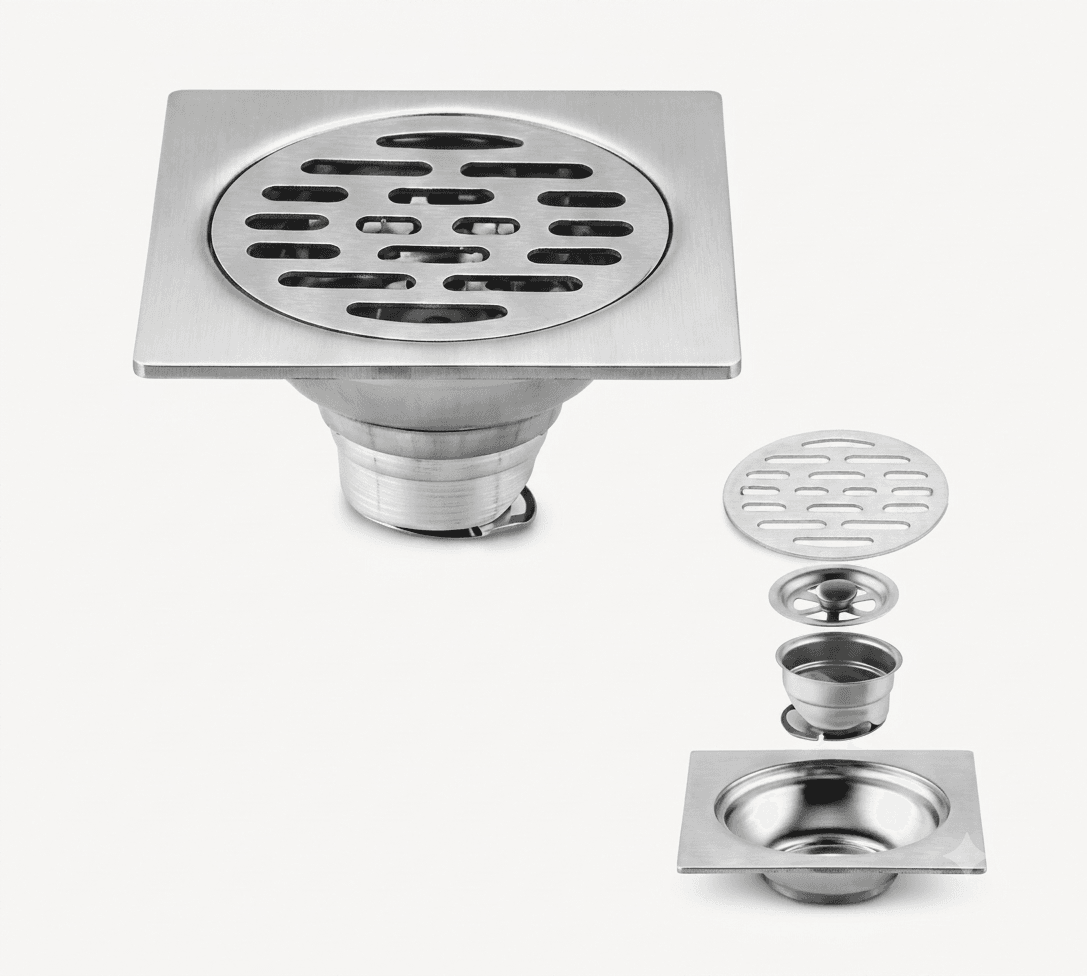
Stainless Steel Floor Traps
SPEC: SS-304 / CUSTOM
Buying Guide
Drainage Systems Equipment in Kenya — What to Know
What this line covers
Drainage systems include under-sink and underground grease traps, floor drains, and floor traps — the wet-area infrastructure every commercial kitchen in Kenya needs to manage wastewater, fats, oils, and grease safely.
Why it matters in Kenya
NEMA and county health inspectors require commercial kitchens to intercept fats, oils, and grease before they reach the public sewer. Under-sized or missing grease traps are one of the most common reasons Kenyan food businesses fail a compliance inspection.
Best for
Restaurants, hotels, hospitals, schools, and any commercial kitchen that needs compliant, easy-to-maintain drainage for wet zones, dish-wash areas, and grease management.
Also searched as grease traps, grease interceptors, grease separators, floor drains, channel drains and kitchen gully traps.
How a Grease Trap Works
Wastewater enters a chamber and slows down. Fats, oils and grease float to the surface while solids settle, and only the middle layer of relatively clean water passes to the drain. The trap must then be emptied on a schedule — a full trap simply passes grease through.
- Fats and oils float; food solids sink; water leaves from the middle
- Undersized traps have too little retention time to separate anything
- An unemptied trap performs no better than no trap at all
- The P-trap belongs downstream of the grease trap, not before it
Under-Sink or Underground?
An under-sink trap sits beneath the pot wash or scrap sink and suits restaurants and cafés up to roughly 100 covers a day. An underground grease interceptor handles a whole kitchen's output and is expected for hotels, hospitals, schools and institutional catering.
NEMA and County Compliance
Discharging untreated kitchen effluent to a public sewer is a NEMA compliance matter, and county inspectors check for a trap during licensing. Underground interceptors are pumped out by a licensed waste contractor, typically every one to four weeks depending on volume.
Drainage Systems Price Guide — Indicative KES Ranges
Ranges reflect fabricated Grade 201 | 304 stainless steel at typical commercial specification. Final quotes depend on size, gauge, grade and site conditions.
| Item | Indicative range | What moves the price |
|---|---|---|
| Under-sink grease trap | KES 35,000 – 90,000 | Capacity and flow rate |
| Underground grease interceptor | KES 150,000 – 450,000 | Chamber volume and civil works |
| Floor drains | KES 6,500 – 18,000 | Grate size, load rating |
| Floor traps | KES 5,500 – 15,000 | Size and outlet detail |
Drainage Systems — Frequently Asked Questions
How does a grease trap work?
Wastewater slows inside a chamber so fats and oils float to the top and food solids settle to the bottom, letting only the relatively clean middle layer pass to the drain. Separation depends on retention time, which is why an undersized or unemptied trap does not work.
Is a grease trap necessary for a commercial kitchen in Kenya?
Yes. Discharging untreated kitchen effluent is a NEMA compliance issue and county health inspectors check for a trap during licensing. It also prevents the drain blockages that cause the most disruptive kitchen shutdowns.
Where should a grease trap be located?
As close as practical to the source of the grease — usually directly under the pot wash or scrap sink for an under-sink unit — so grease is captured before it cools and coats the pipework. Underground interceptors sit outside the building, serving the whole kitchen.
Does the P-trap go before or after the grease trap?
After. The grease trap needs to receive the wastewater first so it can separate the fats; putting a P-trap upstream traps grease in the pipework instead, which is exactly what the grease trap exists to prevent.
How much does a grease trap cost in Kenya?
An under-sink stainless steel grease trap runs about KES 35,000 to 90,000 depending on capacity and flow rate. An underground grease interceptor for a hotel or institutional kitchen runs KES 150,000 to 450,000 plus civil works.
Ready to build a kitchen that works better, lasts longer, and supports your business growth?
Contact Beyond Commercial Kitchen today and let's start planning your project.