Wash-Up Area
Wash-up stations built for hygiene and workflow control
The wash-up area is where kitchens protect hygiene and clear the service cycle. We fabricate dish-return, sink, and drying equipment that helps teams manage dirty and clean items without slowing down the operation.
6
Products
Categories
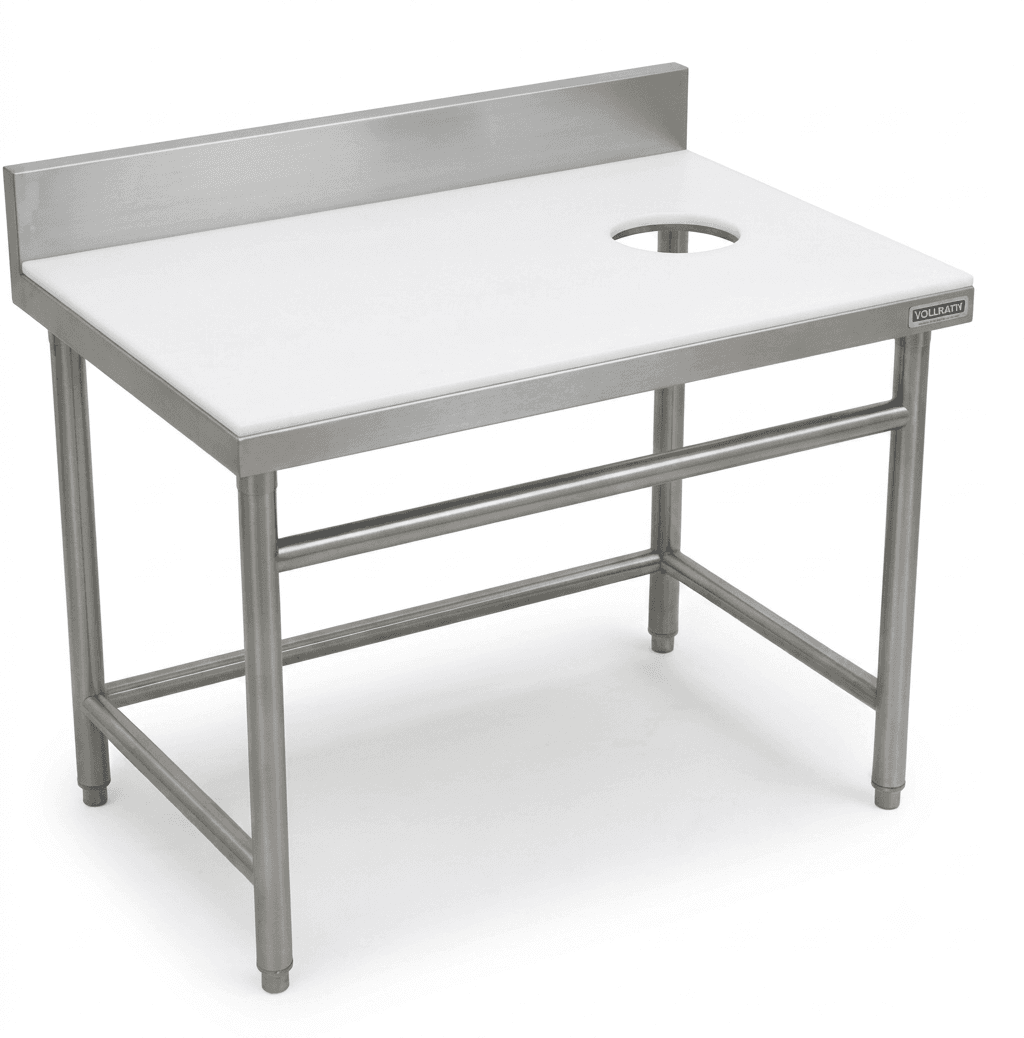
Stainless Steel Scrapping Table
SPEC: SS-304 / CUSTOM
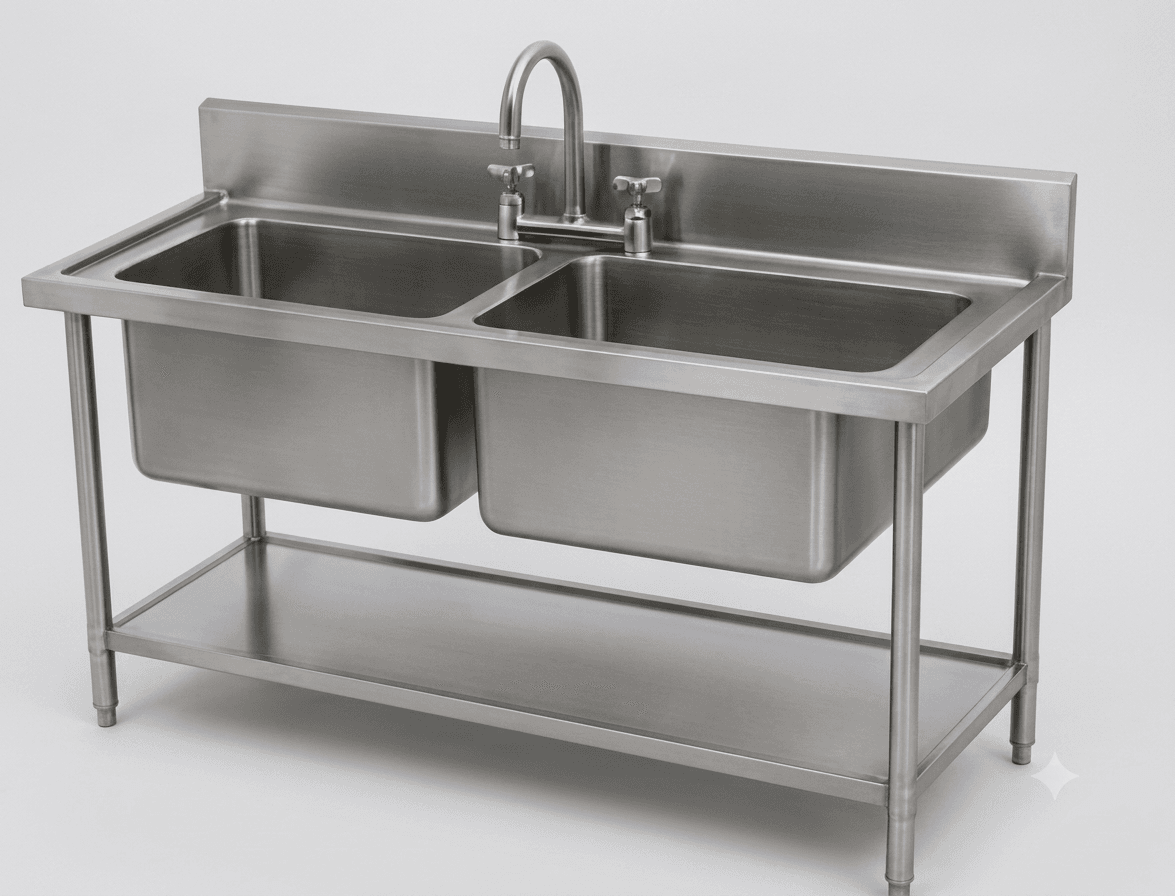
Stainless Steel Double Bowl Sink
SPEC: SS-304 / CUSTOM
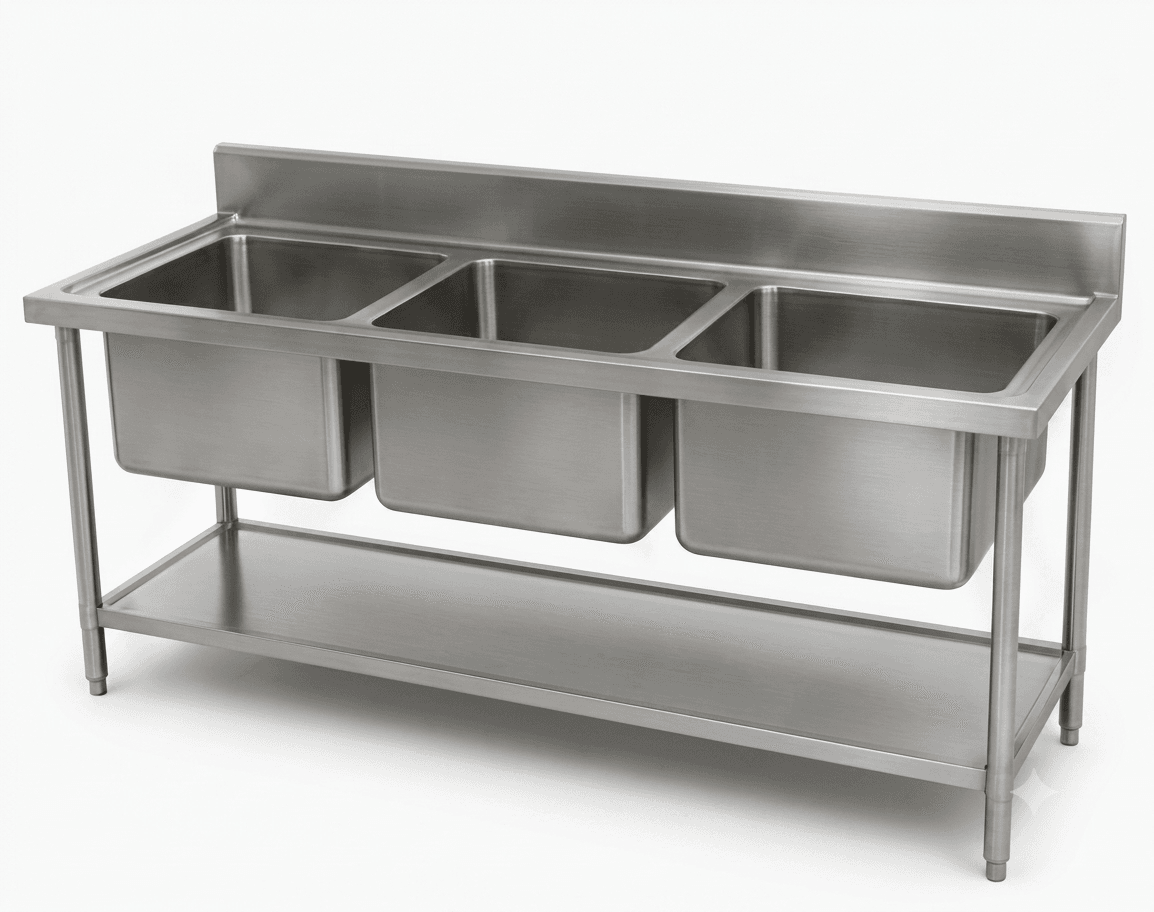
Stainless Steel Three Bowl Sink
SPEC: SS-304 / CUSTOM
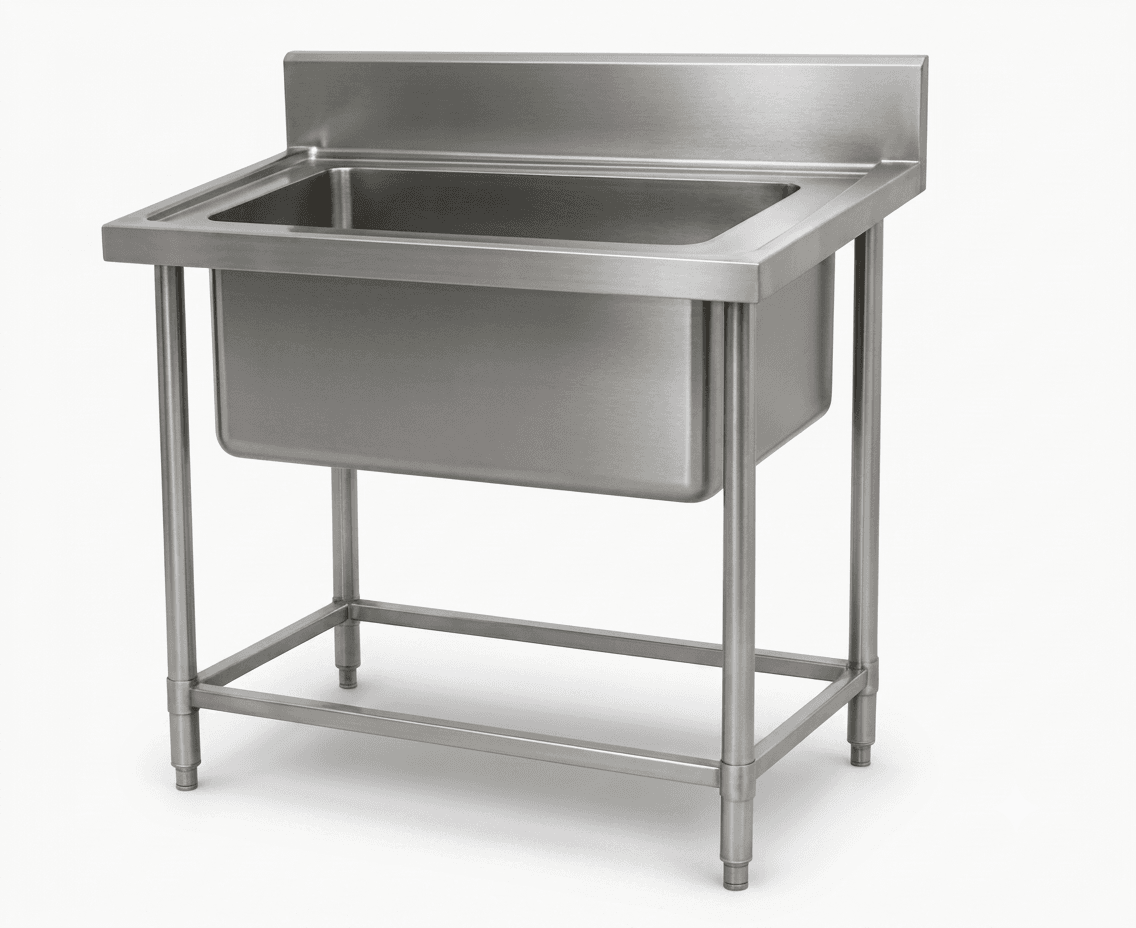
Stainless Steel Pot Wash Sink
SPEC: SS-304 / CUSTOM
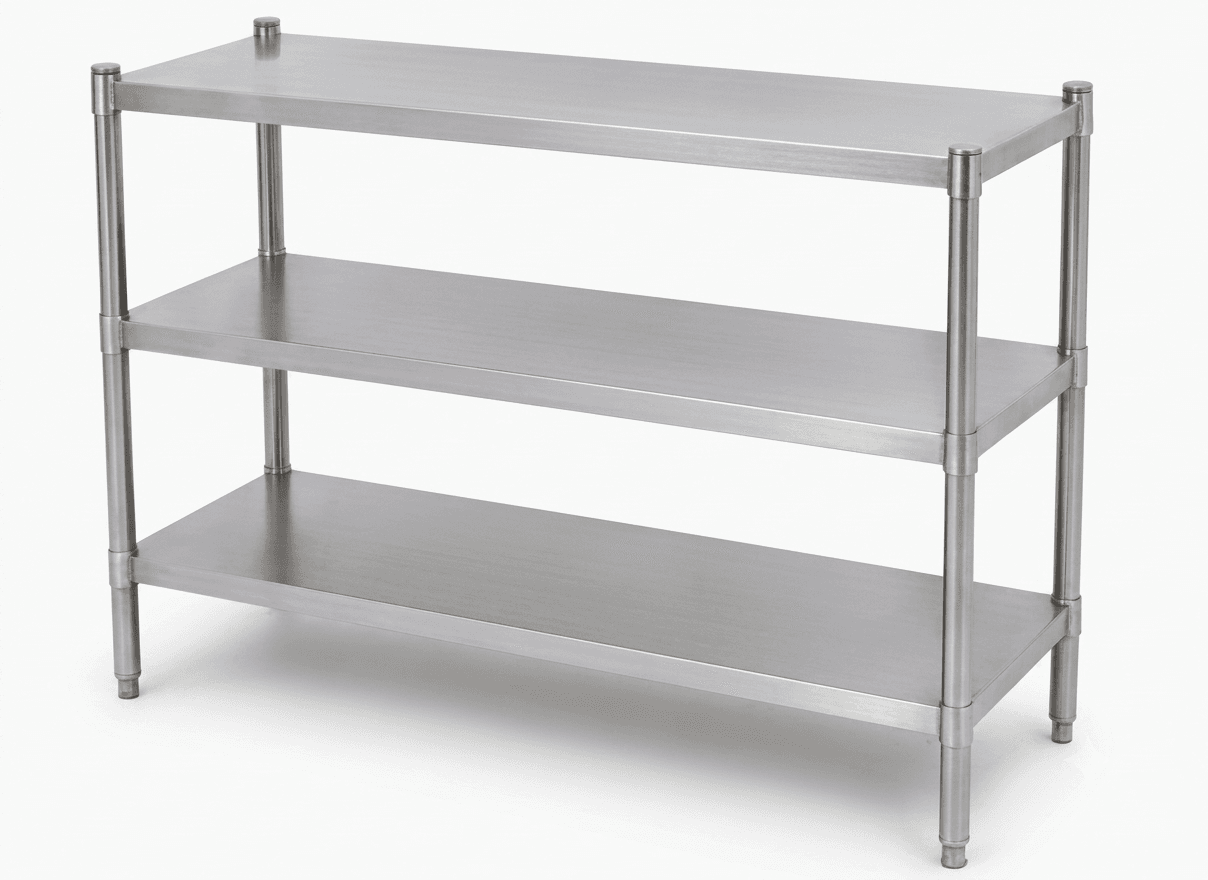
Stainless Steel 3-Tier Drying Rack
SPEC: SS-304 / CUSTOM
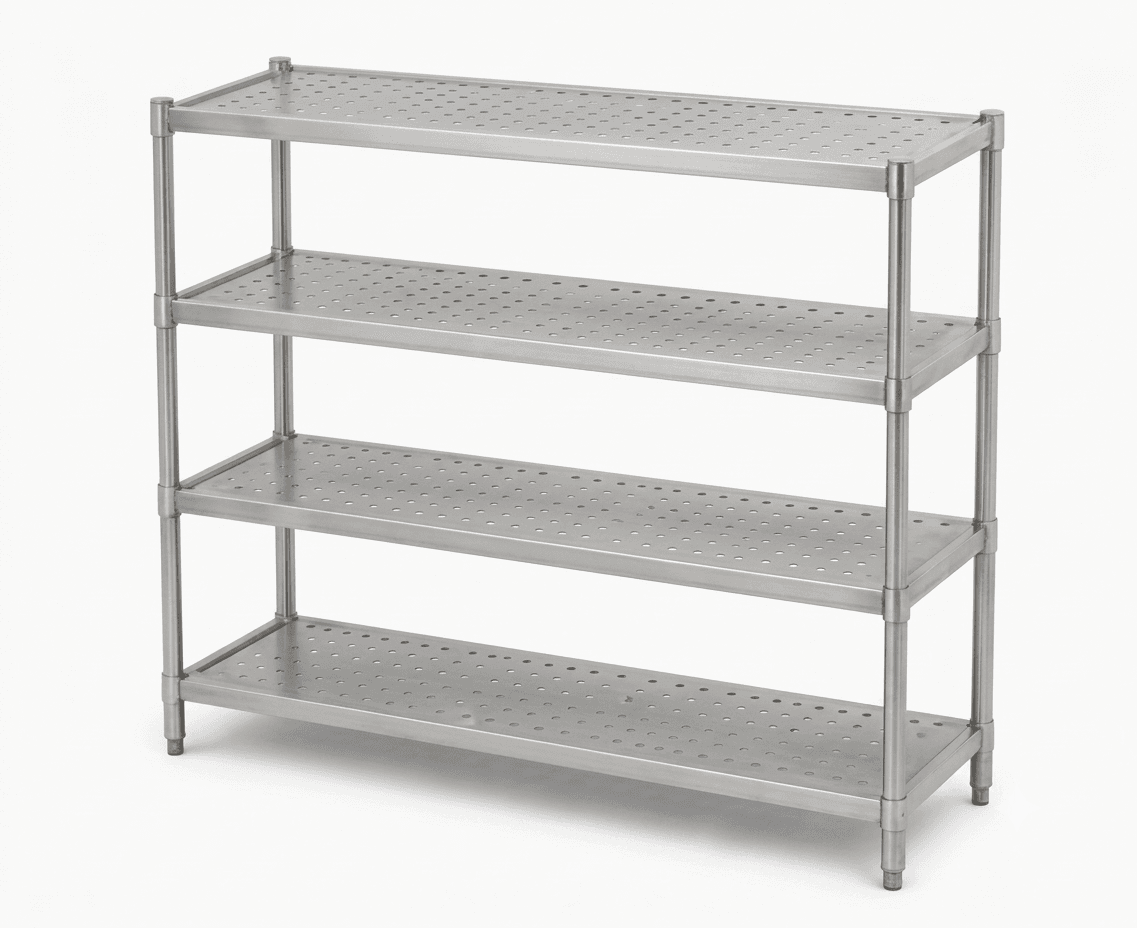
Stainless Steel Perforated Rack
SPEC: SS-304 / CUSTOM
Buying Guide
Wash-Up Area Equipment in Kenya — What to Know
What this line covers
This range includes scrapping tables, single and multiple bowl sinks, pot wash sinks, and drying racks. The products are designed to create clear wash-up flow from dirty collection to cleaned and drying items.
Why it matters
A well-planned wash-up area reduces bottlenecks, supports hygiene, and lowers staff fatigue. It also helps kitchens maintain a more professional and organised back-of-house environment.
Best for
Hotels, hospitals, schools, canteens, restaurants, and catering operations that need dependable wash-down infrastructure in a compact or high-volume setting.
Also searched as dishwash area equipment, commercial sinks, wash sinks, pot wash sinks, scrap tables and stainless steel dishwashing stations.
Designing the Wash-Up Flow
Wash-up works in one direction: scrape, wash, rinse, drain. Every reversal in that sequence costs time and risks cross-contamination, so the layout matters more than the individual items.
- Start with a scrapping table sized to hold a full service's dirty crockery
- Allow a two- or three-bowl sink so wash and rinse water stay separate
- Finish with drying rack capacity at least equal to the scrap table
- Keep the clean end physically separated from the dirty end
How Many Sink Bowls Do You Need?
A double bowl sink covers wash and rinse and suits most restaurants. A three bowl sink adds a sanitising stage and is expected in institutional and hospital catering. A separate pot wash sink is worth it once you produce in bulk, because large pots block a standard bowl entirely.
Hand Hygiene Is a Compliance Item, Not an Extra
A dedicated hand wash basin in or adjacent to the wash-up area is required at health inspection and is one of the most common reasons a licence is delayed. It is a small item and omitting it saves nothing.
Wash-Up Area Price Guide — Indicative KES Ranges
Ranges reflect fabricated Grade 201 | 304 stainless steel at typical commercial specification. Final quotes depend on size, gauge, grade and site conditions.
| Item | Indicative range | What moves the price |
|---|---|---|
| Double bowl sink | KES 28,000 – 55,000 | Bowl depth, drainer wings, gauge |
| Three bowl sink | KES 38,000 – 72,000 | Bowl count and overall length |
| Pot wash sink | KES 32,000 – 68,000 | Bowl depth for large pots |
| Scrapping table | KES 22,000 – 48,000 | Length and waste chute detail |
| Drying rack | KES 12,000 – 32,000 | Tier count, perforated vs solid |
Wash-Up Area — Frequently Asked Questions
How much does a commercial stainless steel sink cost in Kenya?
A fabricated double bowl sink runs about KES 28,000 to 55,000 and a three bowl sink KES 38,000 to 72,000, depending on bowl depth, length and whether drainer wings are included. All are made in Grade 201 | 304 stainless steel.
Do I need a two or three bowl sink for a restaurant in Kenya?
A double bowl sink handling wash and rinse is adequate for most restaurants. Institutional, school and hospital kitchens should specify three bowls so a sanitising stage is separated, which inspectors increasingly expect for high-risk catering.
What size should a scrapping table be?
Size it to hold the crockery from one full service without stacking beyond safe height, so the wash operator never has to pause and clear. In practice that means matching it to your peak covers rather than to the sink width.
Can you fabricate a sink to fit an awkward space?
Yes — this is the main reason customers come to us rather than buying off the shelf. We survey the site and fabricate to the exact run, including infill sections where a standard unit would leave an ungrouted gap that fails hygiene inspection.
Ready to build a kitchen that works better, lasts longer, and supports your business growth?
Contact Beyond Commercial Kitchen today and let's start planning your project.