Commercial Kitchen Contractor & Installation in Kenya
As a commercial kitchen contractor and installer working across Kenya, we know a commercial kitchen is a significant investment whose performance depends on proper installation. At Beyond Commercial Kitchen, we provide professional commercial kitchen installation and commissioning services that ensure every piece of equipment is installed safely, correctly, and ready for operation. Whether you're fitting out a new hotel kitchen, upgrading a restaurant, or installing imported equipment, our experienced team manages every stage of the installation process to ensure your kitchen performs efficiently from day one.
4 scopes
Equipment, ventilation, utilities, fit-out
Commissioned
Tested before handover
Nationwide
Projects across Kenya
Our Installation Services
Four Scopes, One Coordinated Installation
From individual equipment to complete commercial kitchen fit-outs, we work as your kitchen equipment installer across all four scopes — supply-and-install or install-only where you have already bought the equipment.
Installation map
Four specialist workstreams, laid out as one coordinated handover so the site, services, and equipment all arrive together.

On-site delivery and fit-out
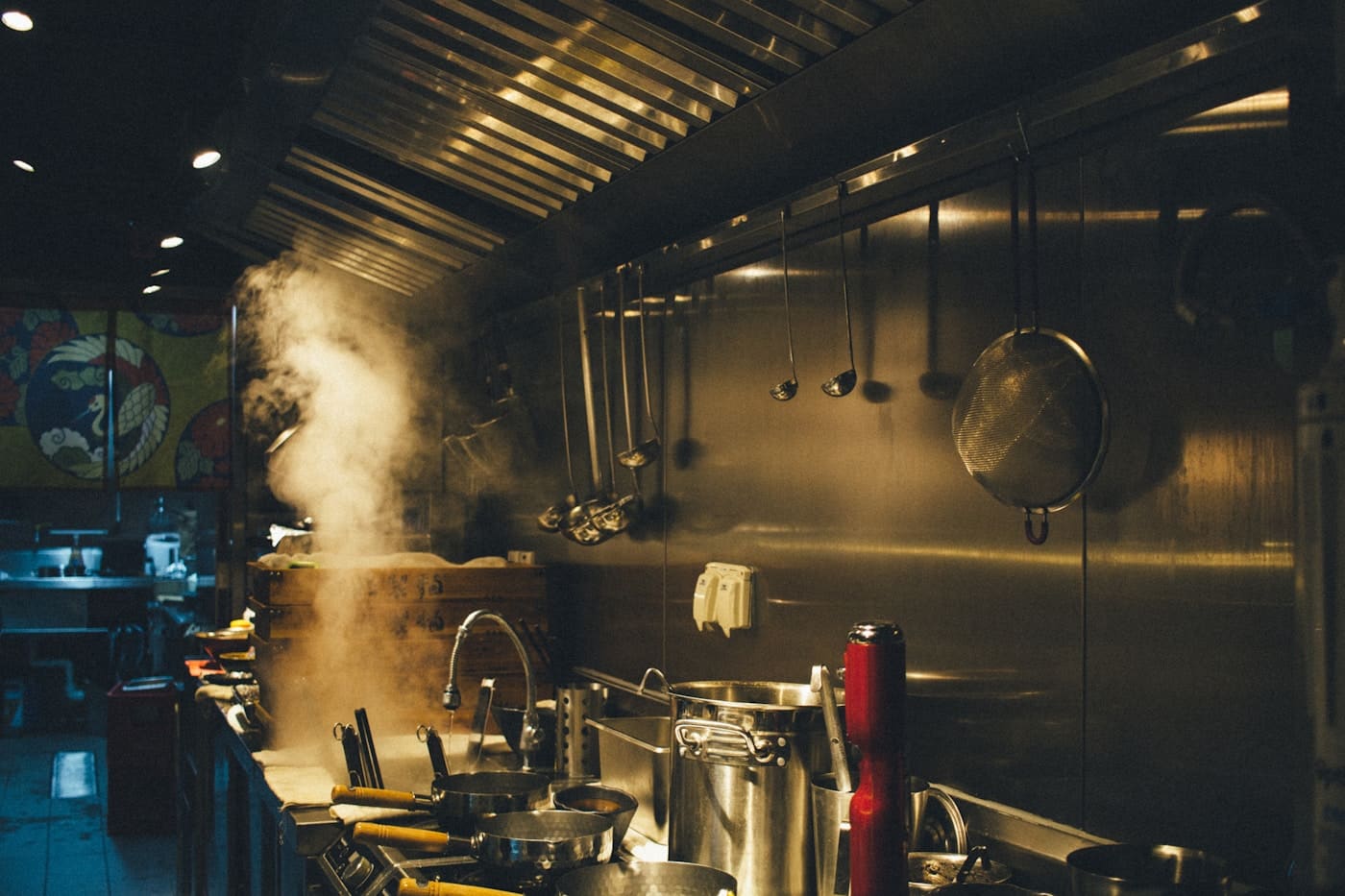
A visual cue for the coordinated, ground-up installation work that happens before handover.
Equipment Installation
- Commercial cooking equipment
- Commercial refrigeration
- Commercial coffee machines
- Bakery equipment
- Dishwashing equipment
Ventilation Systems
- Kitchen extraction hoods
- Fresh air systems
- Stainless steel ducting
- Axial and centrifugal fans
Utility Connections
- Gas piping installation
- LPG manifold systems
- Drainage systems
- Electrical coordination
Kitchen Fit-Out
- Equipment positioning
- Final alignment
- Site coordination
- Project handover
Installation insight
Protect the investment before the first service
Professional installation protects your investment and minimizes costly operational issues. The right crew, sequence, and commissioning process turn equipment into a working kitchen instead of a collection of parts.
Safe Equipment Operation
Correct placement, levelling, and service connection reduce risk and make daily use safer for your team.
Maximum Equipment Lifespan
When equipment is installed properly from day one, moving parts, finishes, and service points last longer.
Improved Energy Efficiency
Correct installation reduces wasted gas, power, and heat loss across the cooking line.
Proper Ventilation Performance
Hoods, ducting, and fans perform as designed only when the system is installed and commissioned correctly.
Reduced Downtime
Professional handover prevents avoidable faults, tripping issues, and service interruptions during launch.
Warranty Protection
Manufacturer warranties stay valid when equipment is installed within technical requirements.
Compliance With Standards
Installation records, pressure tests, and commissioning support inspection and operating licence requirements.
Why Choose Beyond Commercial Kitchen?
We stay with the project from concept to handover and beyond
When you choose BCK, you are partnering with a team committed to delivering commercial kitchens that are functional, reliable, and built to last.
Experienced Installation Specialists
Our technicians understand the technical requirements of commercial kitchen installations and ensure every project is completed to a high standard.
End-to-End Coordination
From equipment positioning to final commissioning, we coordinate every aspect of the installation for a seamless project delivery.
Precision & Safety
Every installation is carried out with careful attention to safety, functionality, and operational efficiency.
Ongoing Support
Our relationship does not end at handover. We continue to support clients with servicing, maintenance, and technical assistance whenever required.
FAQ
Frequently asked questions
Ready to proceed?
Request an Installation Quote
Tell us what you are planning and we will help shape the scope, sequence, and technical details.