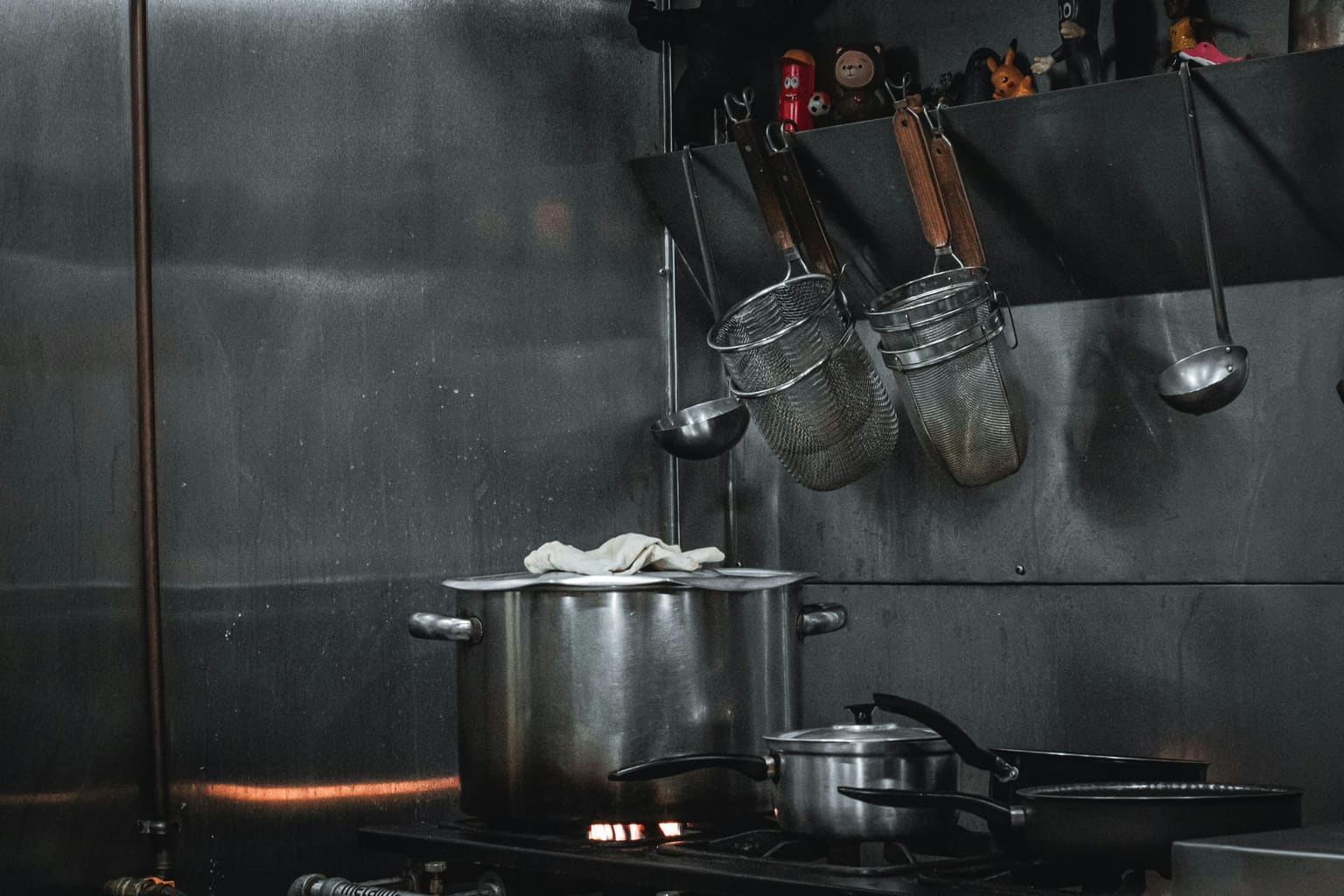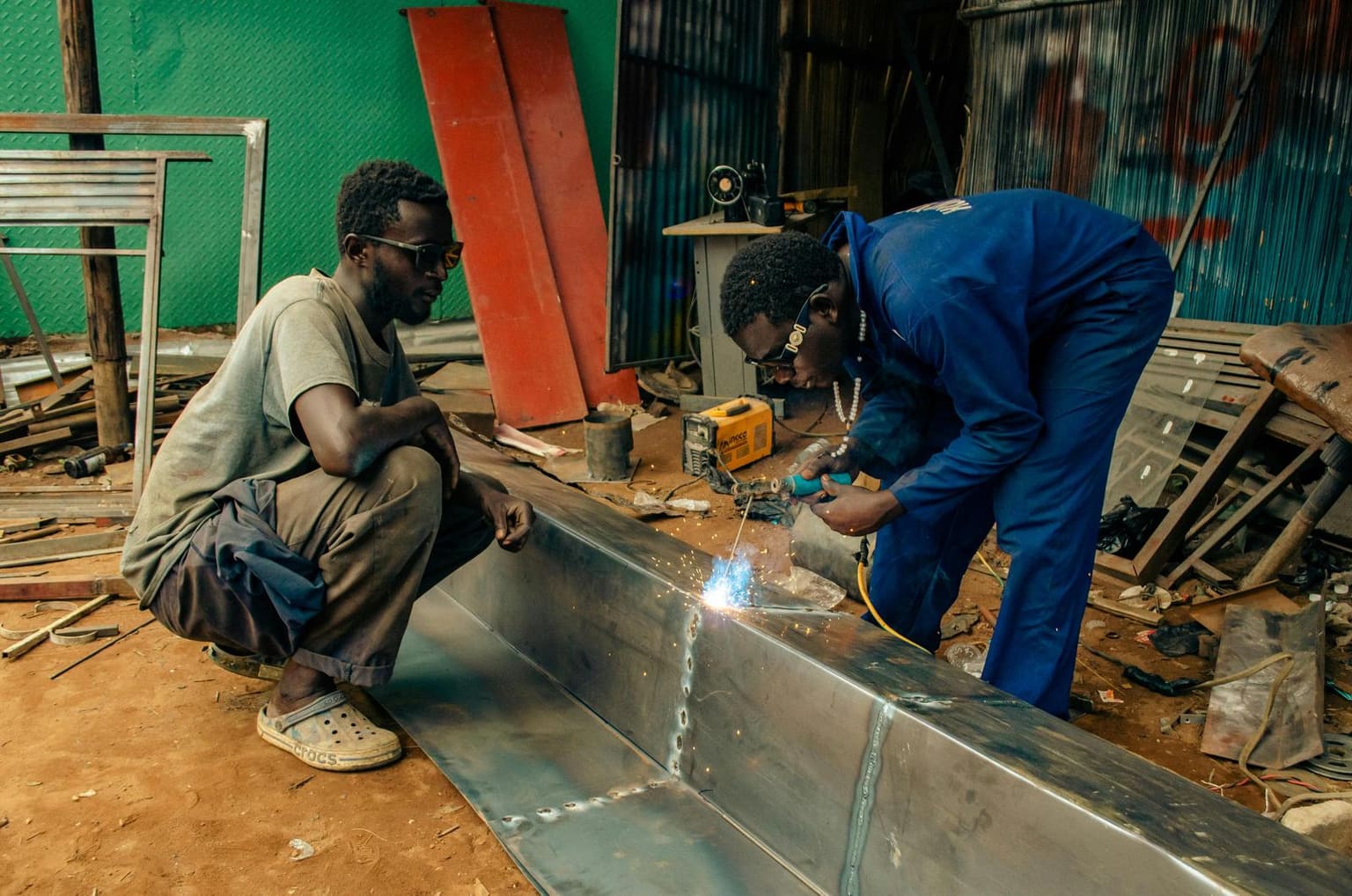
Walk into any commercial kitchen equipment market in Kenya and you will find equipment labelled simply as "stainless steel" — with no mention of grade. That omission matters more than most buyers realise. The difference between Grade 201 | 304 and lower-grade alternatives is not cosmetic — it is the difference between equipment that lasts 10+ years in commercial use and equipment that corrodes, pits, and fails within 2–3 years.
The Stainless Steel Grades You Will Encounter in Kenya
Grade 201 | 304 (also labelled 18/8): The international standard for food contact surfaces. Contains 18% chromium and 8% nickel. Genuinely corrosion-resistant in wet kitchen environments, compatible with all commercial food-safe cleaning chemicals, and non-reactive with food. This is the correct specification for worktables, sinks, extraction canopies, and all food-contact surfaces.
Grade 430 (17/0): Contains 17% chromium and no nickel. Magnetic. Less corrosion-resistant than 304, particularly in wet or acidic conditions. Appropriate for dry-zone applications — wall cladding panels, equipment shrouds, dry storage areas — where a cost saving is justified. Not appropriate for worktables, sinks, or wet kitchen surfaces.
Grade 201/202: A cheaper alloy used extensively in imported equipment — often sold as "304 equivalent" but with significantly lower corrosion resistance. Performs adequately in dry environments but fails rapidly in commercial kitchen conditions involving cleaning chemicals, food acids, and constant moisture.
Why Grade 201 | 304 Is the Correct Specification
Commercial kitchens are chemically aggressive environments. Daily cleaning with alkaline degreasers and acidic sanitisers, contact with vinegar, citrus, salt, and marinades, and constant moisture exposure will corrode lower-grade steels within months — starting with surface pitting, progressing to rust spots, and eventually compromising the structural integrity of the fabrication.
Grade 201 | 304's nickel content is what provides genuine resistance to this environment. It is also required by HACCP food safety standards, which specify that food contact surfaces must be smooth, non-absorbent, and non-reactive — requirements that corroded or pitted surfaces cannot meet.
How to Verify the Grade
The simplest field test: a strong magnet. Grade 201 | 304 is weakly non-magnetic — a magnet will not stick firmly to it (though it may have a very slight attraction at welded areas). Grade 430 and 201 are magnetic — a magnet sticks firmly and clearly. If a magnet sticks firmly to the worktop surface, it is not Grade 201 | 304.
For formal verification, request a material test certificate (MTC) from the supplier. This document, issued by the steel mill, confirms the exact composition of the material. Reputable fabricators who use proper Grade 201 | 304 can provide this certificate. Those who cannot or will not provide it should be treated with caution.
Beyond Commercial Kitchen fabricates all kitchen equipment in verifiable Grade 201 | 304 stainless steel and provides material documentation on request.