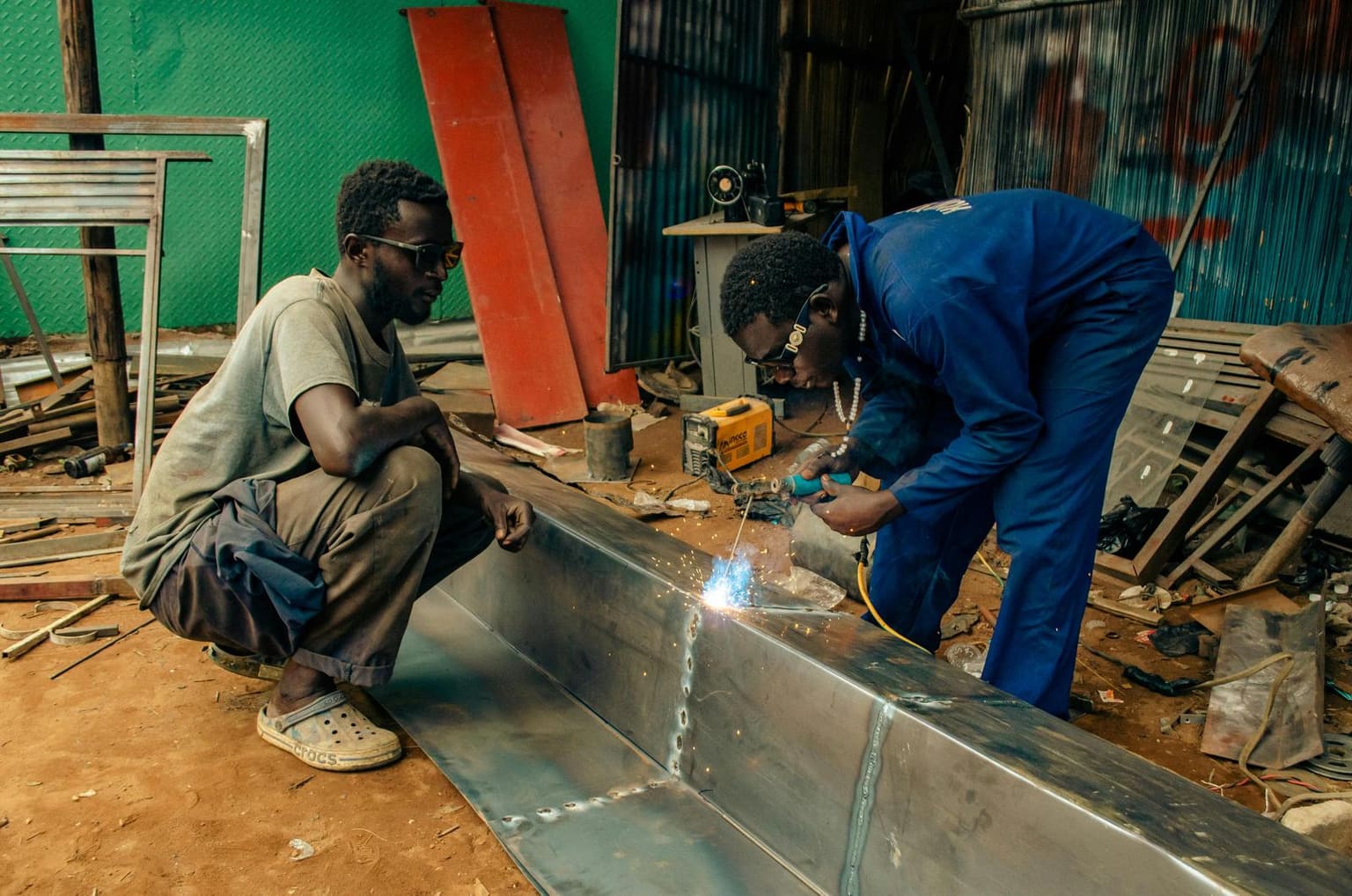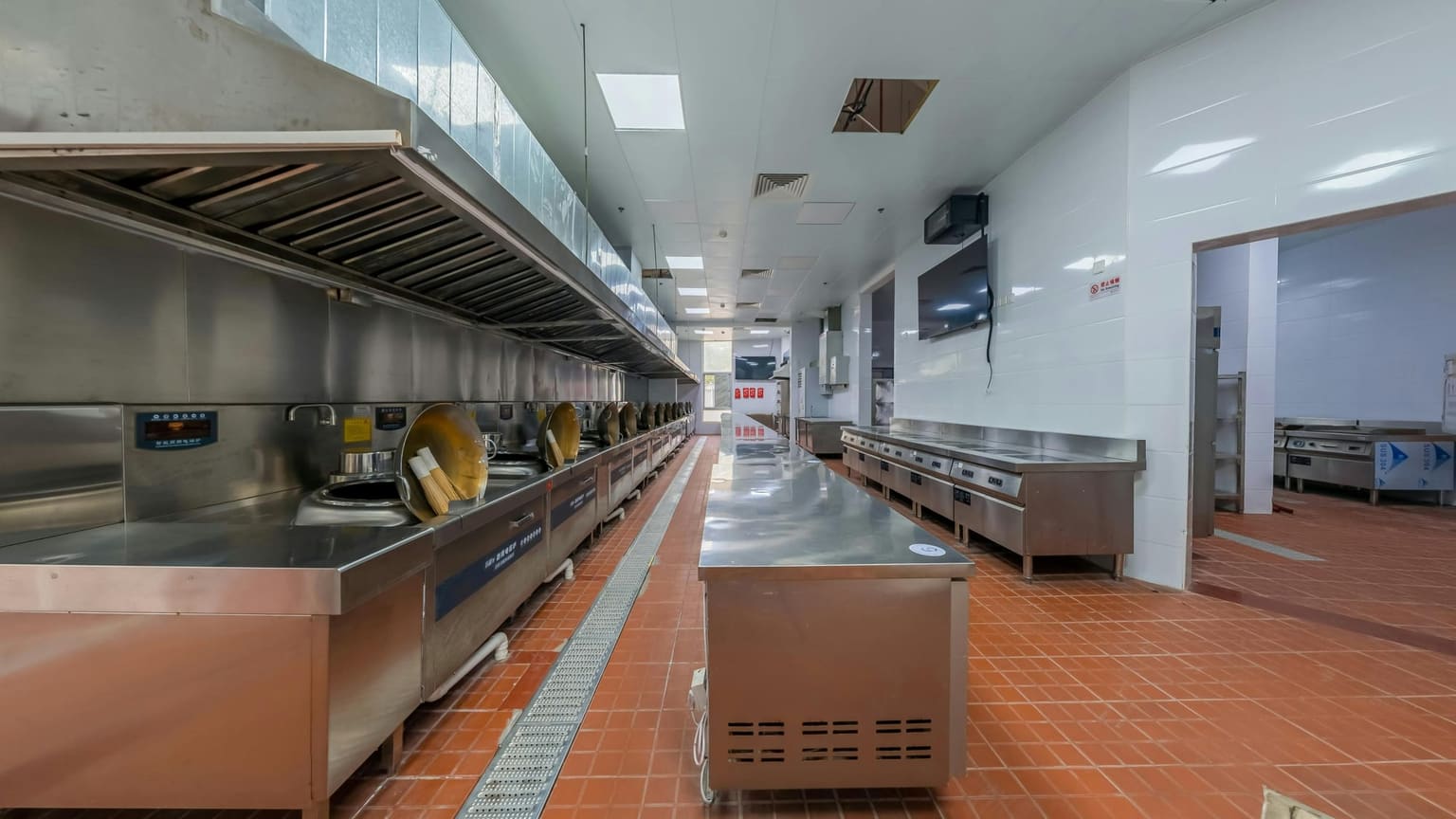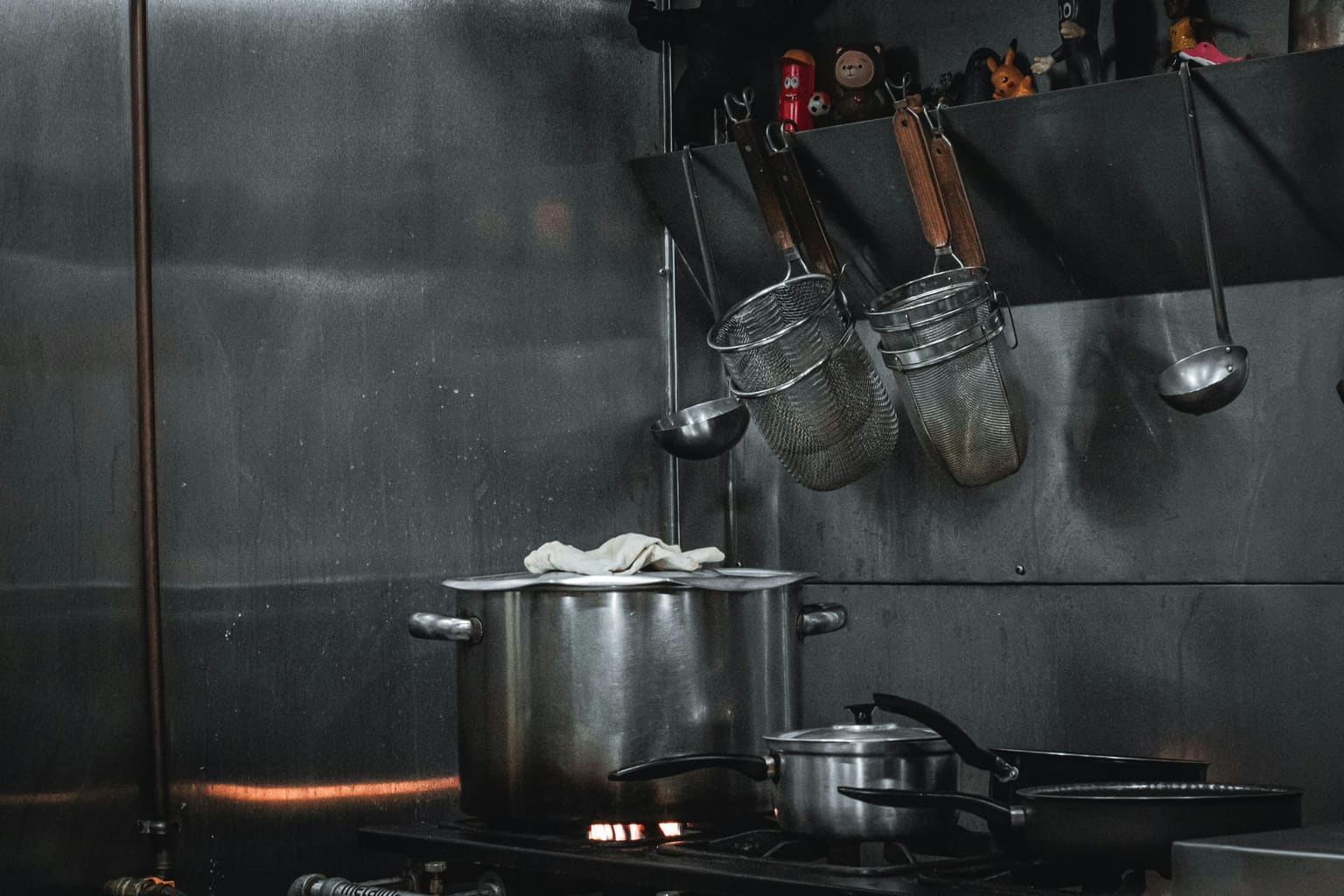
Walk into any commercial kitchen equipment supplier in Nairobi and you will find stainless steel worktables at a wide range of prices. The cheap end includes imported tables in unknown steel grades with poor welds and surface finishes that look fine in a showroom but fail within 12–18 months of commercial kitchen use. This guide tells you exactly what to specify so you buy once.
Material Grade: Why Grade 201 | 304 Is the Correct Specification
The steel grade matters more than any other specification. Grade 201 | 304 (also written 18/8 — 18% chromium, 8% nickel) is the international standard for food contact surfaces. It is genuinely corrosion-resistant in wet kitchen conditions, easy to clean to food-safe standards, and does not leach into food.
Grade 430 (17% chromium, no nickel) is a ferritic stainless that is magnetic and less corrosion-resistant. It is appropriate for dry-zone applications — wall panels, dry shelving, equipment surrounds — where it offers a cost saving. It is not the right specification for worktables, sinks, or any surface in regular contact with food and cleaning chemicals.
A significant volume of imported kitchen equipment in the Kenya market is fabricated from Grade 201 or 202 steel — a lower-alloy grade that is significantly less corrosion-resistant and is passed off as 304. The magnet test is a rough guide: 304 is weakly non-magnetic. If a magnet sticks firmly to the worktop, it is likely 430 or 201, not 304.
Top Thickness
Standard commercial worktable tops are fabricated in 1.2 mm gauge Grade 201 | 304. This provides sufficient rigidity and impact resistance for general prep work — vegetable preparation, pastry, light butchery. For high-impact work areas such as heavy butchery, bakery, or production environments where heavy equipment is placed directly on the table, specify 1.5 mm gauge tops.
Avoid tables with tops thinner than 1.0 mm — they dent, flex, and develop surface cracks at welded joins under commercial use.
Standard Dimensions
Standard work height in Kenya (and internationally) is 900 mm. Commercial kitchen staff work standing for extended periods — the correct table height is critical for ergonomics and reduces back strain. Specify adjustable bullet-foot legs with a ±50 mm adjustment range to accommodate floor variations.
Standard table depths are 600 mm and 700 mm. A 600 mm depth is appropriate for tasks requiring reach to the back of the table (single-person prep), while 700 mm suits wider cooking equipment or back-to-back working. Depths greater than 700 mm reduce usability — the back of the table becomes difficult to reach and clean.
Table widths are fully custom. Common single-person prep table widths are 1,200 mm and 1,500 mm. For team prep areas, wider tables from 1,800 mm to 3,000 mm are common. Beyond Commercial Kitchen fabricates to any width in 100 mm increments.
Features to Specify
Backsplash upstand (100–150 mm high, welded to the rear edge): prevents food and liquid from falling behind the table against the wall. Specify this on all tables placed against walls.
Undershelf: a solid or slatted lower shelf on the table frame provides dry ingredient storage within arm's reach of the prep surface. Specify clearance height to match the containers you store (typically 300–400 mm from floor).
Side rails: upstands on the left and right edges of the worktop prevent items rolling off. Useful for tables at the end of a run or in narrow spaces.
Cross-bracing: welded cross-members between the legs improve rigidity, especially on long tables (1,800 mm+). Ensure there is sufficient clearance to clean underneath.
Price Range in Kenya
Locally fabricated Grade 201 | 304 stainless steel worktables from Beyond Commercial Kitchen start from approximately KSh 18,000 for a 1,200 × 600 mm standard table. A 1,800 × 700 mm table with undershelf typically costs KSh 28,000–38,000 depending on finish and options. Custom widths, extra features, and higher-gauge tops increase price accordingly.
Imported tables at lower prices should be treated with caution — verify the steel grade before purchase. The cost difference between a proper Grade 201 | 304 table and a cheaper alternative is typically KSh 5,000–10,000 — far less than the cost of replacement after 18 months.