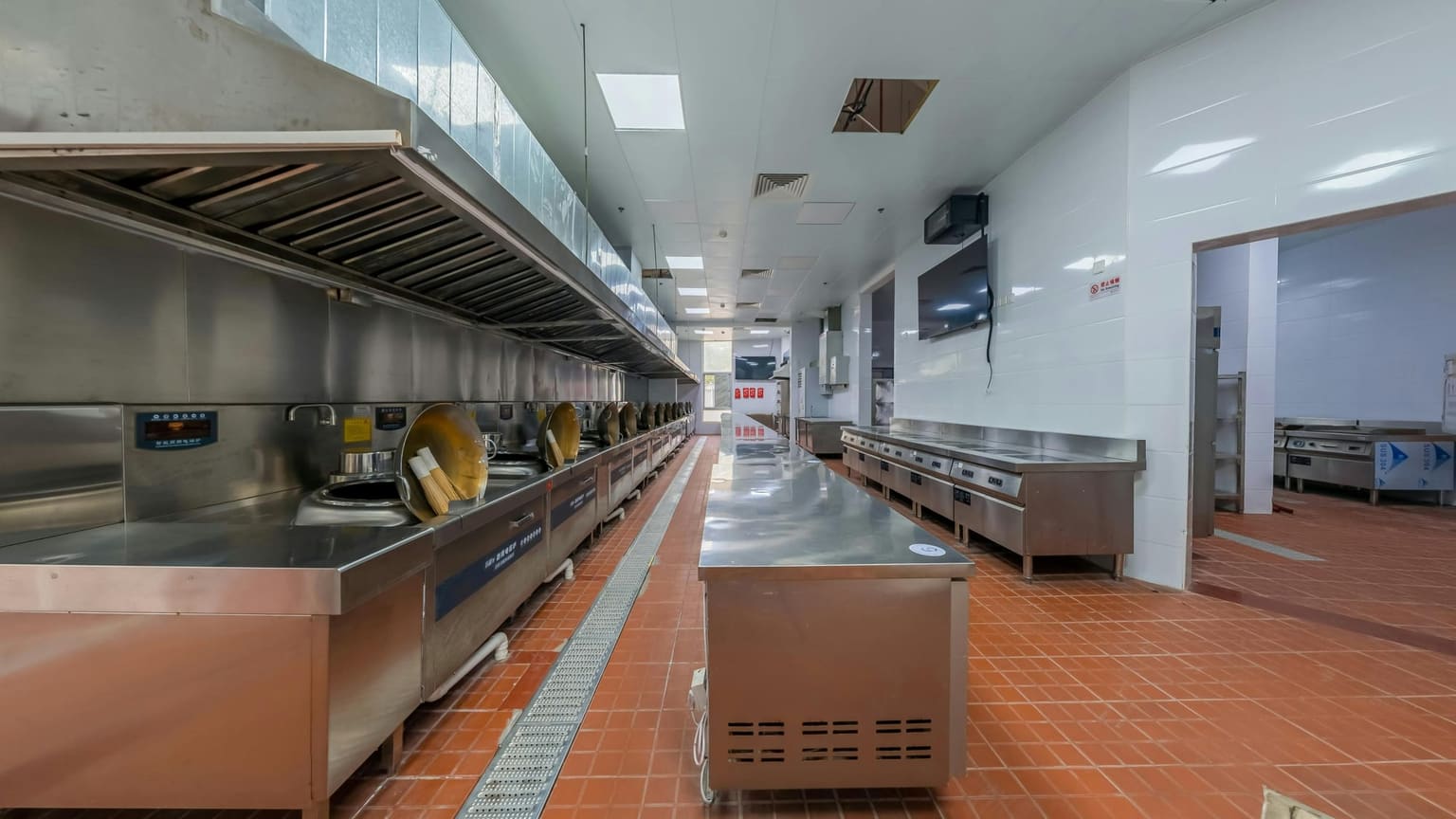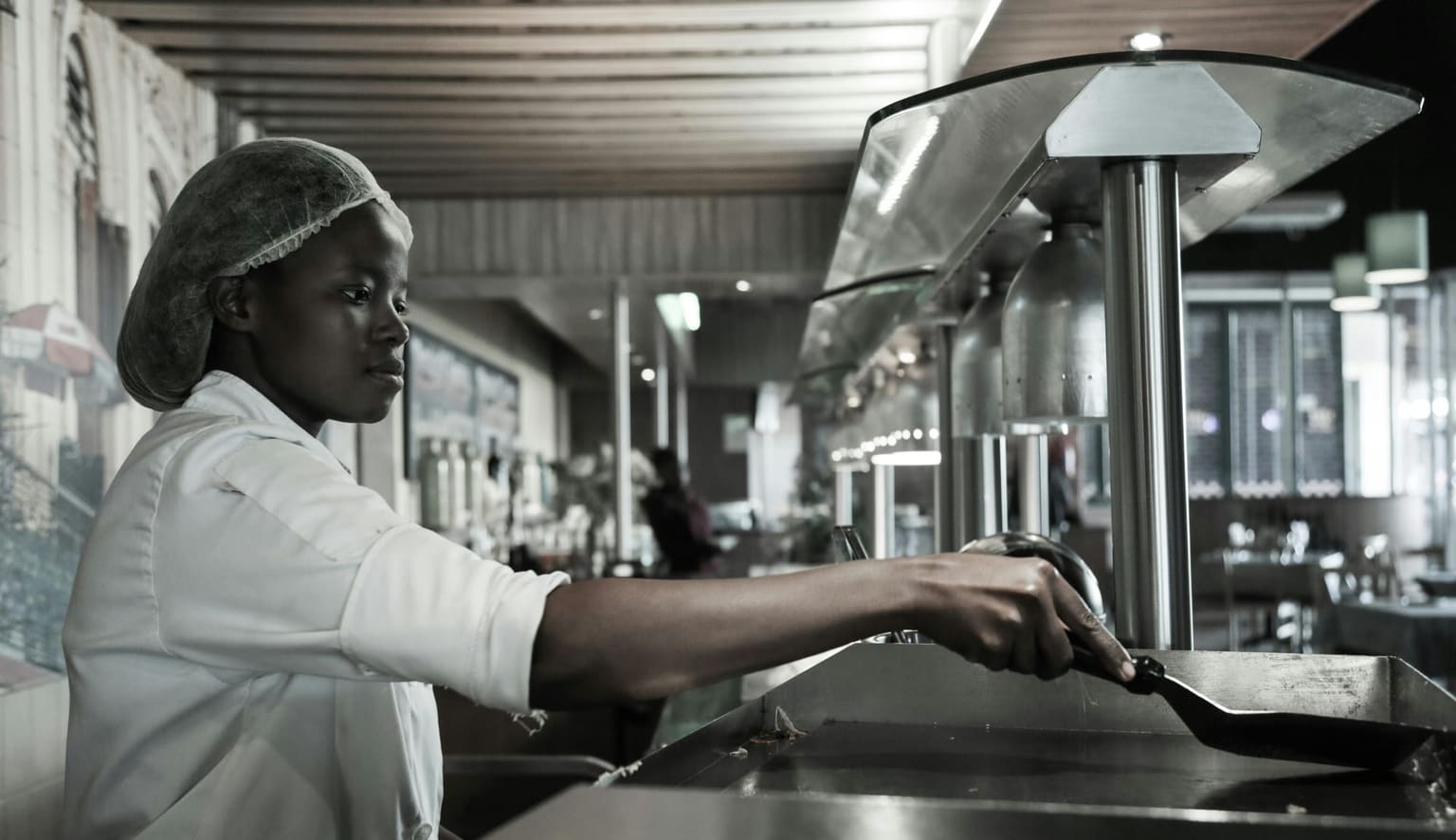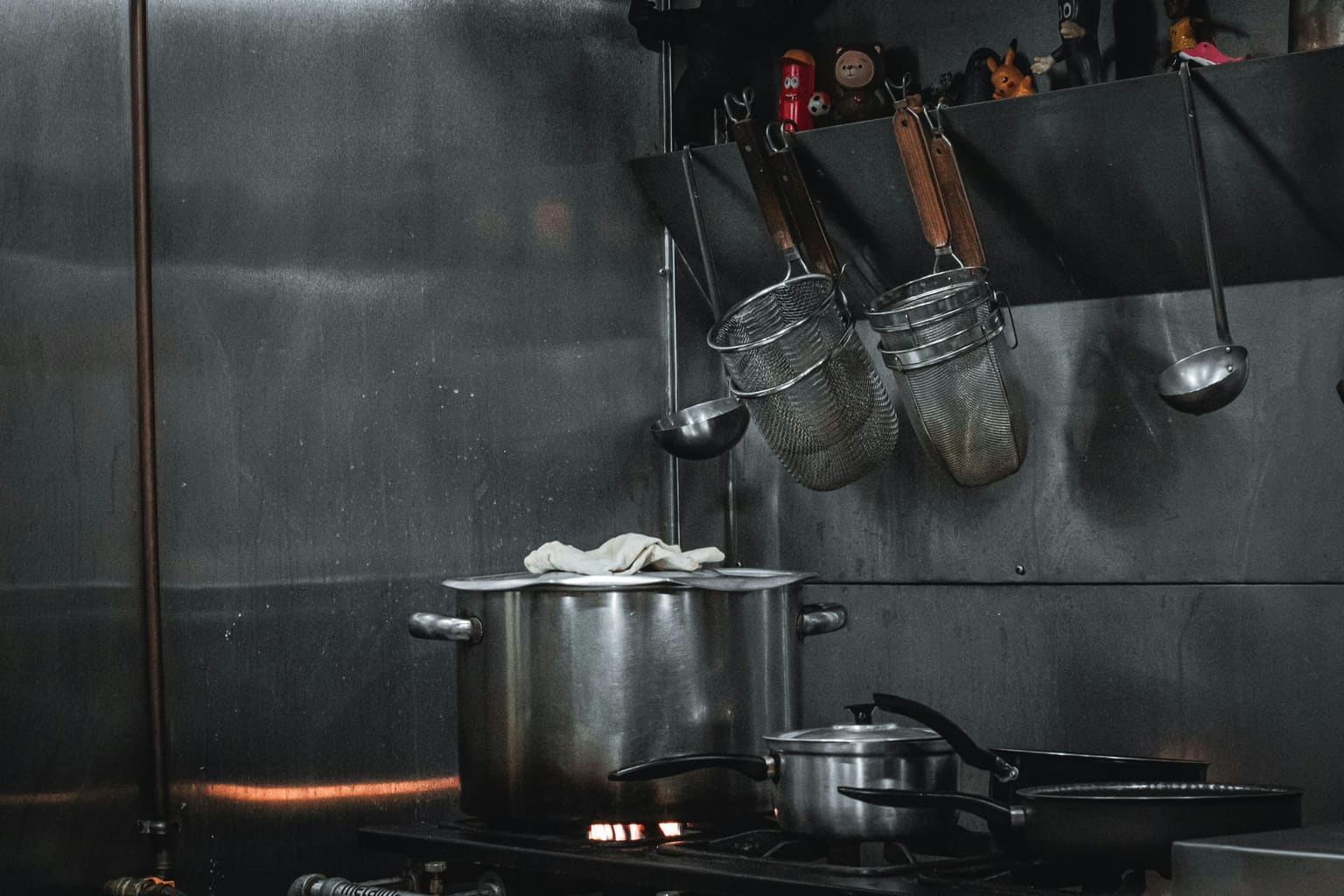
Opening a new restaurant in Kenya and not sure what commercial kitchen equipment you actually need? This checklist covers every zone — from receiving to wash-up — with the minimum required for a compliant, operational kitchen. Items marked as HACCP-required will be specifically checked by county health inspectors during your food business licence application.
Zone 1 — Receiving Area
Offloading table (stainless steel, Grade 201 | 304): where all food deliveries are inspected before entering storage. HACCP requires a dedicated receiving check before food enters the kitchen. Minimum 1,200 × 600 mm. KSh 18,000–25,000.
Receiving scales: for checking delivery weights against purchase orders. Not a HACCP requirement, but essential for cost control.
Temperature probe: for checking cold and frozen deliveries are within safe temperature range on arrival. HACCP required for operations receiving cold chain products.
Zone 2 — Storage
Dunnage racks (stainless steel or food-grade plastic): raises dry goods off the floor. HACCP and KEBS require all food to be stored off the floor — floor-level storage is an inspection failure. KSh 8,000–15,000 per unit.
Adjustable wall shelving: for dry ingredient storage. Stainless steel or heavy-duty epoxy-coated wire. At minimum two runs of shelving, floor to ceiling if the storeroom allows.
Refrigeration: undercounter fridge for daily-use ingredients, upright fridge for mise en place. Specify temperature range of 0–4°C. KSh 35,000–120,000 depending on capacity.
Zone 3 — Preparation Area
Prep worktables (Grade 201 | 304, 1.2 mm minimum): the largest equipment spend in this zone. For a 60–100 cover restaurant, plan for at least two worktables — 1,800 × 700 mm each. Specify with undershelf for ingredient storage and backsplash upstand. KSh 28,000–45,000 each.
Prep sinks (Grade 201 | 304, double bowl): for washing vegetables and raw ingredients. HACCP requires food prep sinks to be separate from hand-washing sinks. One double-bowl prep sink for a small kitchen, two for a medium kitchen. KSh 20,000–35,000.
Hand-washing basin (Grade 201 | 304, wall-mounted): HACCP required — a dedicated hand-washing point, separate from food prep sinks, at the entry point to the prep area. This is the single most commonly missing item in new Nairobi restaurant kitchens. Inspectors specifically look for it. KSh 8,000–14,000.
Wall shelving above prep area: for spice, condiment, and daily-use ingredient storage within arm's reach of the prep tables.
Zone 4 — Hot Kitchen (Cooking Area)
Commercial range or cooking station: the heart of the kitchen. A 4-burner range suits a small restaurant; a 6-burner range or full island cooking station suits a medium kitchen. Specify gas or LPG compatibility. KSh 85,000–350,000.
Commercial deep fryer (if menu requires): countertop or floor-standing single or double-basket fryer. KSh 45,000–120,000.
Commercial griddle or chargrill (if menu requires): for burgers, grilled meats, or breakfast items. KSh 40,000–100,000.
Extraction canopy (HACCP required): must extend 300 mm beyond all cooking equipment on every exposed side. Undersized extraction fails KEBS and county inspection. KSh 60,000–180,000 depending on size.
Pass shelf or hot hold shelf: for plated dishes waiting for service. Wall-mounted stainless steel, above the cooking line.
Zone 5 — Wash-Up Area
Triple bowl sink (Grade 201 | 304): for the three-stage wash-up process — wash, rinse, sanitise. KEBS inspectors expect a minimum of a two-bowl sink; a triple bowl is best practice. KSh 35,000–55,000.
Pot wash sink (large single bowl, Grade 201 | 304): a deep, large-capacity single bowl sink for washing large pots and pans. Essential for any kitchen doing volume cooking. KSh 18,000–30,000.
Grease trap (HACCP and NEMA required): inline under-sink grease trap for kitchens up to approximately 100 covers per day; underground interceptor for larger operations. Non-negotiable for NEMA compliance. KSh 8,000–45,000 depending on type and size.
Drying rack: wall-mounted or free-standing stainless steel rack for drip-drying clean crockery. KSh 6,000–18,000.
Waste bin area: clearly designated separate waste bins for food waste, recyclables, and general waste. KEBS requires waste segregation in commercial kitchens.
What Inspectors Check at Licence Application
Nairobi County and other county government health inspectors will assess the following during a food business licence application inspection: all food contact surfaces are smooth, non-absorbent, and cleanable (Grade 201 | 304 stainless meets this); a dedicated hand-washing basin exists and is separate from food prep sinks; a grease trap is installed; extraction and ventilation is adequate for the cooking equipment in use; food and waste flows do not cross; and food is not stored directly on the floor.
Missing any of these will result in an inspection failure requiring remediation before a licence is granted. The hand-washing basin and grease trap are the two most commonly missed items in new restaurant builds.