Setting up a commercial kitchen in Kenya is one of the most significant capital investments a food business owner will make. The cost varies enormously — from under KSh 200,000 for a basic kiosk setup to over KSh 15,000,000 for a full hotel kitchen. This guide gives you real figures based on Beyond Commercial Kitchen' 2026 project data, a clear breakdown of what drives costs up or down, and practical advice on where to spend and where to save.
What Is a Commercial Kitchen?
A commercial kitchen is a professional food preparation facility built to food safety standards — with food-grade surfaces, compliant drainage, adequate ventilation, and a layout that separates raw and cooked food flows. It is the legal and operational requirement for any business selling prepared food: restaurants, cafés, hotels, hospitals, schools, catering companies, and food manufacturers.
In Kenya, the county government and KEBS regulate commercial kitchen standards. A kitchen that does not meet basic HACCP food safety requirements will fail a food business licence inspection — regardless of how much was spent on equipment.
Cost by Kitchen Type (2026 KSh Figures)
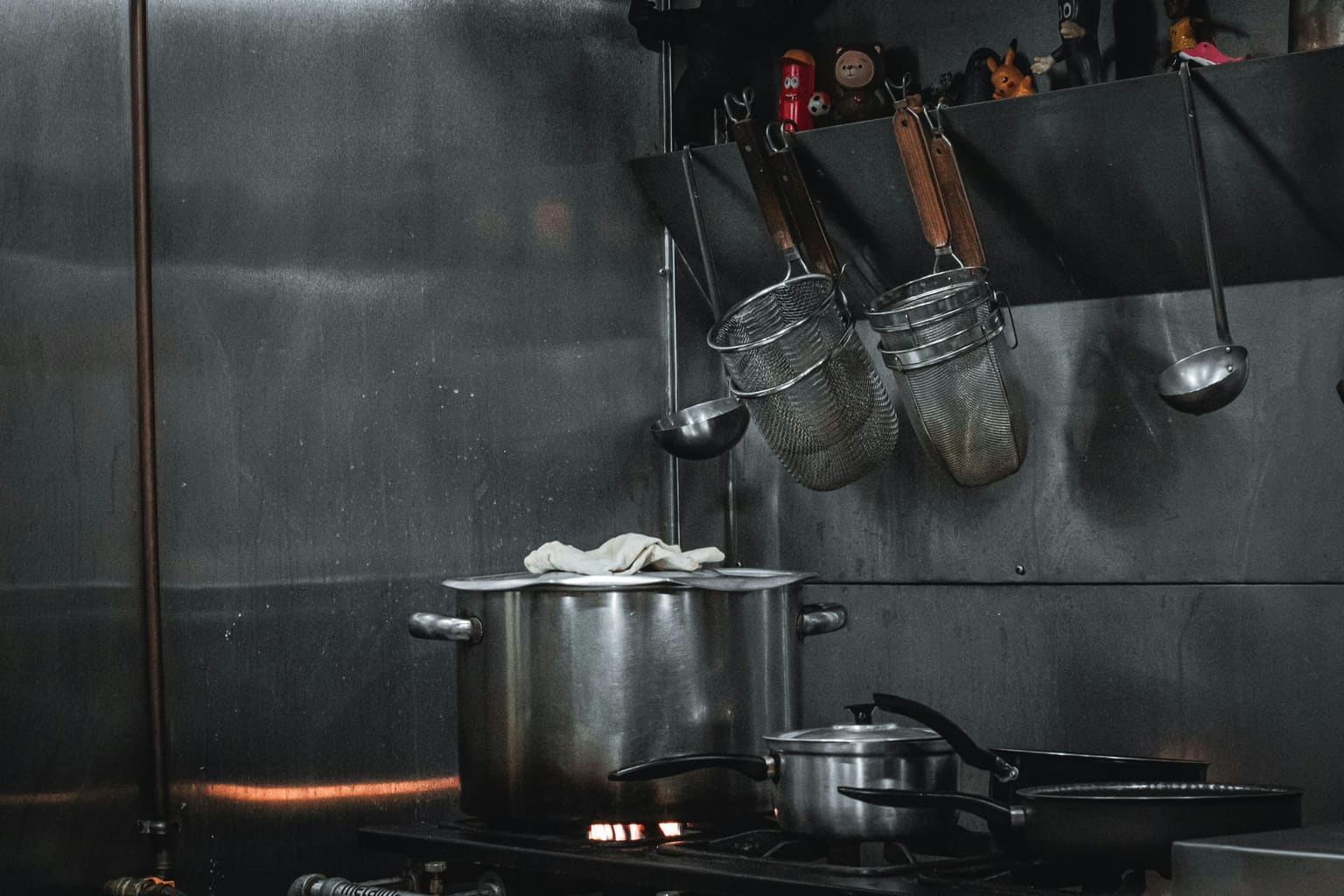
Small kiosk or food stall (up to 20 covers): KSh 80,000–200,000. Basic setup — countertop cooker or single burner, a prep table, one sink, and a small grease trap. Suitable for simple menus with low throughput. This is the minimum viable commercial kitchen.
Small café or fast-casual (20–60 covers): KSh 250,000–700,000. Includes a 2–4 burner range or countertop cooking equipment, prep worktable, a sink, basic shelving, and an extraction canopy. Suitable for sandwiches, light cooking, and simple meals.
Mid-range restaurant (60–150 covers): KSh 700,000–2,500,000. A full commercial kitchen with a cooking station (range, fryer, griddle), extraction canopy, 2–3 prep worktables, prep and wash-up sinks, storage shelving, and a grease trap. This is the most common project range for Nairobi restaurants.
Full-service restaurant or boutique hotel (150+ covers): KSh 2,500,000–8,000,000. Adds servery equipment (bain maries, hot cupboards, pass shelves), a more complex extraction system, complete drainage, and multiple prep zones.
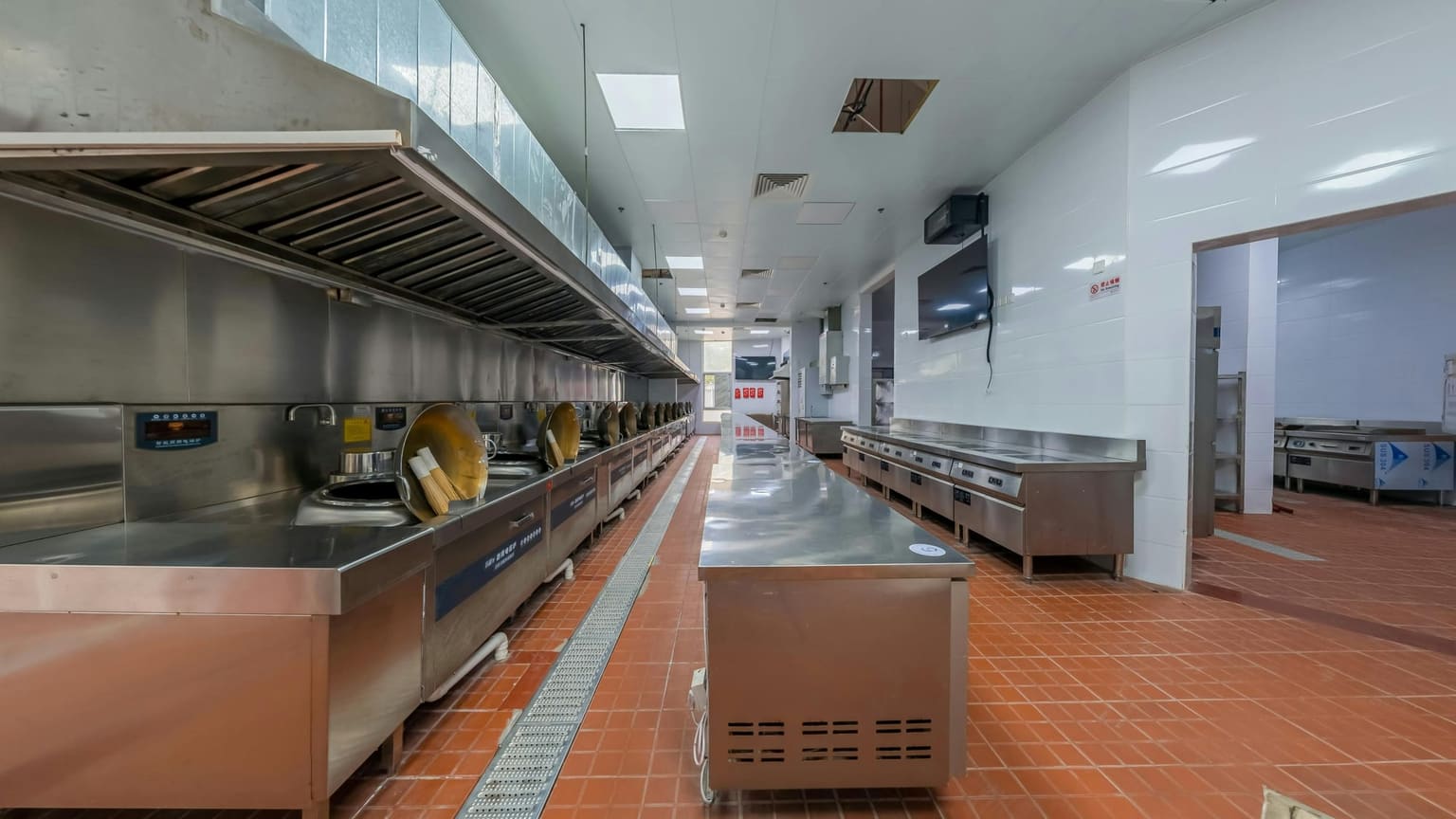
Large hotel or conference facility kitchen: KSh 8,000,000–15,000,000+. Complete multi-zone commercial kitchen — main kitchen, pastry, servery, wash-up, receiving, storage, and staff canteen. International hotel brands at this level require brand-standard equipment documentation.
Hospital or institutional kitchen (200+ meals/day): KSh 1,500,000–10,000,000. Driven by daily meal count and HACCP requirements. A 100-bed hospital typically needs equipment for 300–450 daily meals. Larger facilities can exceed KSh 10,000,000.
School canteen (boarding school, 200–800 students): KSh 500,000–2,500,000. Large-capacity cooking equipment, servery lines, and bulk storage. Cost-per-cover is typically lower than restaurants because the menu is simpler.
What Drives Commercial Kitchen Cost in Kenya?
Steel grade: Grade 201 | 304 stainless steel (the correct specification for food contact surfaces) costs 15–25% more than Grade 430 or inferior imported grades. The difference over a full kitchen is KSh 50,000–200,000 — far less than the cost of premature replacement when inferior steel corrodes.
Custom vs standard sizing: Custom fabrication to your exact kitchen dimensions adds 10–20% to standard-sized items. This is money well spent — ill-fitting equipment wastes space, creates hygiene gaps, and causes operational problems from day one.
Extraction and drainage: These two systems are consistently underbudgeted. A properly sized extraction canopy with ductwork for a restaurant cooking suite costs KSh 80,000–250,000. NEMA-compliant drainage with floor gullies and grease interceptors adds KSh 60,000–200,000.
Installation: Equipment supply-only vs supply-plus-installation differs significantly. Professional installation — delivery, positioning, levelling, gas connection, electrical connection, commissioning — typically adds 15–25% to equipment cost. It is not optional for gas-connected equipment.
Imported vs locally fabricated: For stainless steel fabrication (worktables, sinks, extraction canopies, servery counters), local fabrication in Grade 201 | 304 is faster, custom-sized, and more cost-effective than imports. For specialist equipment (refrigeration, combi ovens, commercial dishwashers), importing from reputable suppliers is appropriate.
Where to Save and Where Not To
Save on: service equipment like shelving and mobile trolleys where Grade 430 is appropriate; imported equipment that is not available locally at competitive quality; phasing your equipment purchase — a café does not need every item on day one.
Do not save on: worktable and sink steel grade (Grade 201 | 304 is non-negotiable for food contact surfaces); extraction canopy sizing (undersizing creates operational problems and inspection failures); drainage and grease trap compliance (NEMA non-compliance risks licence suspension); and professional installation for gas-connected equipment (EPRA requires a licensed gas engineer).
How to Get an Accurate Quote
The most accurate approach is a free site visit with equipment schedule. Beyond Commercial Kitchen visits your site, takes measurements, discusses your menu and covers, and produces a detailed equipment schedule with individual item pricing. There is no obligation.
If you are at the planning stage and want a budget figure before a site visit, use our free Kitchen Cost Calculator at commercialkitchen.co.ke/tools/calculator — it gives an estimated range based on kitchen type and size.