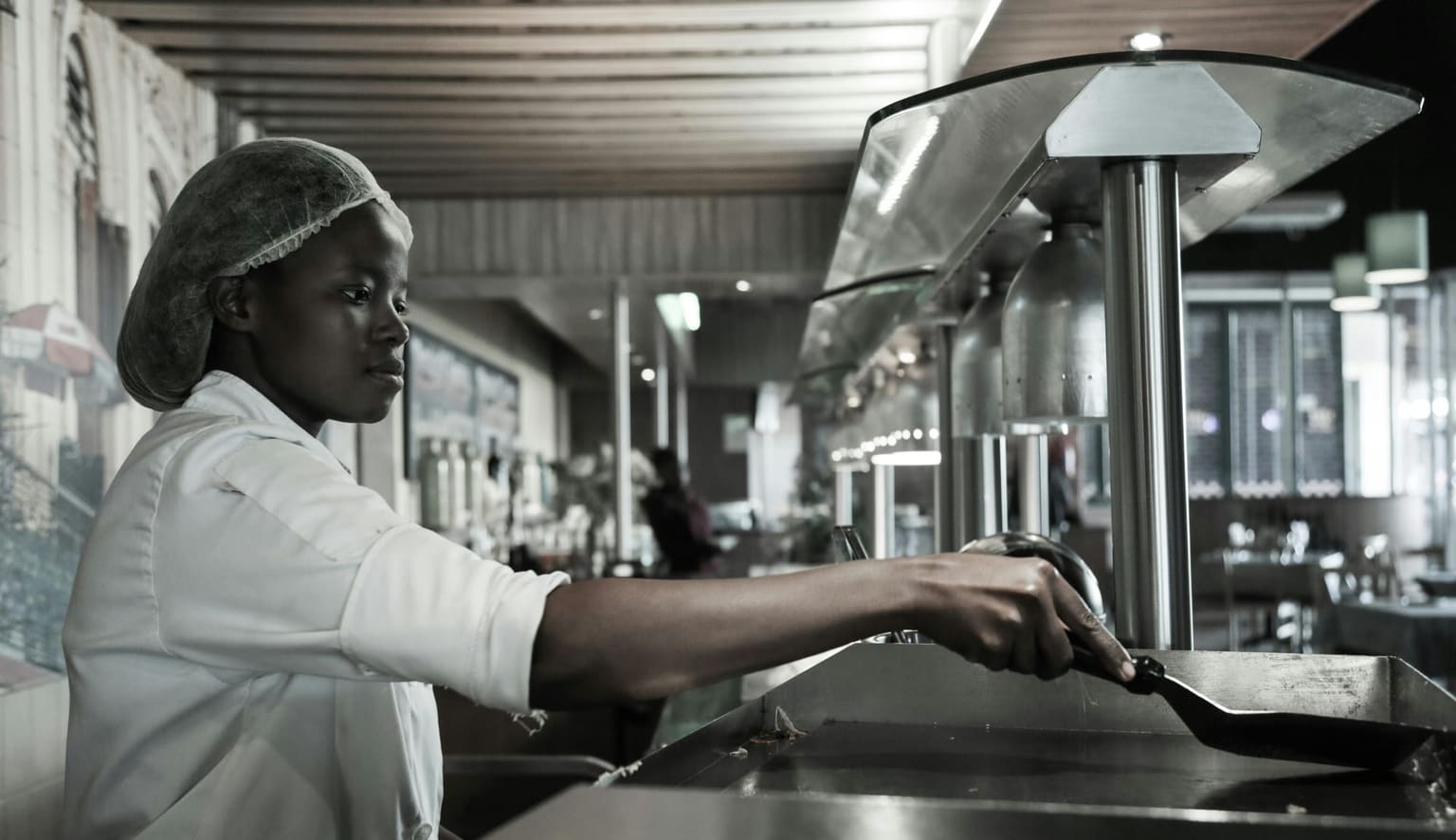
Setting up a restaurant kitchen in Nairobi means navigating a market that ranges from properly fabricated, food-safe stainless steel equipment to cheap imports that look fine in a showroom and fail within a year of commercial use. This guide is based on what Beyond Commercial Kitchen has seen across hundreds of Nairobi kitchen projects — the common mistakes, the requirements that catch people out, and how to make sound buying decisions.
The Five Zones Every Nairobi Restaurant Kitchen Needs
Regardless of concept or size, every commercial kitchen needs the same five functional zones: Receiving (where deliveries arrive and are inspected), Storage (dry and cold storage for ingredients), Preparation (washing, peeling, chopping, portioning), Cooking (the hot kitchen), and Service/Wash-Up (plating, pass, dishwashing).
The layout and size of each zone changes with your menu, covers, and footprint — but all five must exist and must be logically arranged to create a clean flow from raw ingredients (dirty) to finished dishes (clean). HACCP requires that raw and cooked food flows never cross.
Equipment by Restaurant Type in Nairobi
A café or fast-casual operation (up to 60 covers) typically needs: a 2–4 burner range or countertop cooker, a countertop fryer, a single prep worktable, a single bowl prep sink, a double bowl wash-up sink, basic wall shelving, and a small grease trap. Total equipment investment: KSh 300,000–700,000.
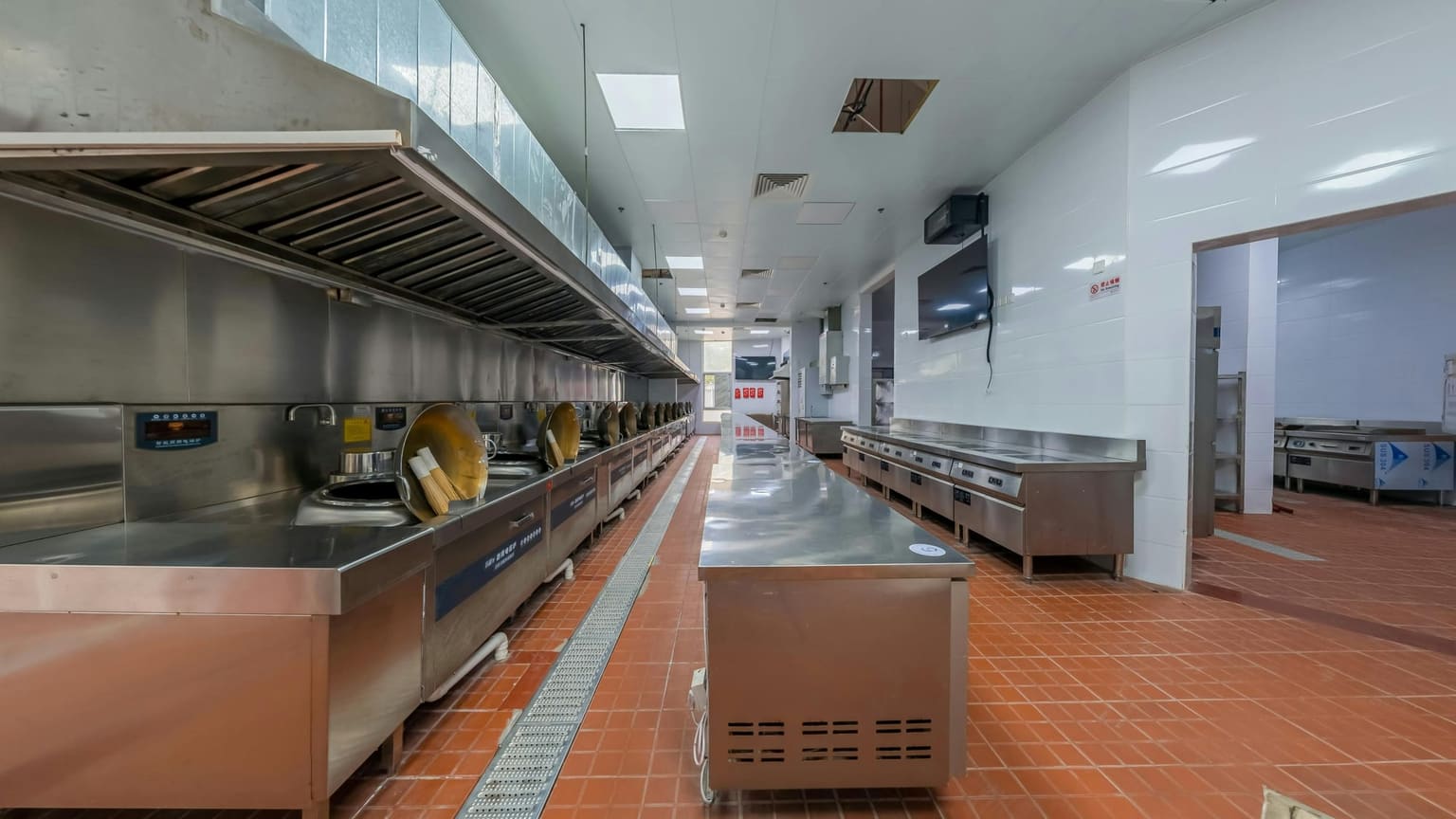
A mid-range restaurant (60–150 covers) requires a more complete hot kitchen: a 6-burner range, griddle, commercial fryer, extraction canopy, an island or wall cooking station, 2–3 prep worktables, a prep sink, a triple bowl wash-up sink, storage racks, and an undersink grease trap. Total equipment investment: KSh 700,000–2,500,000.
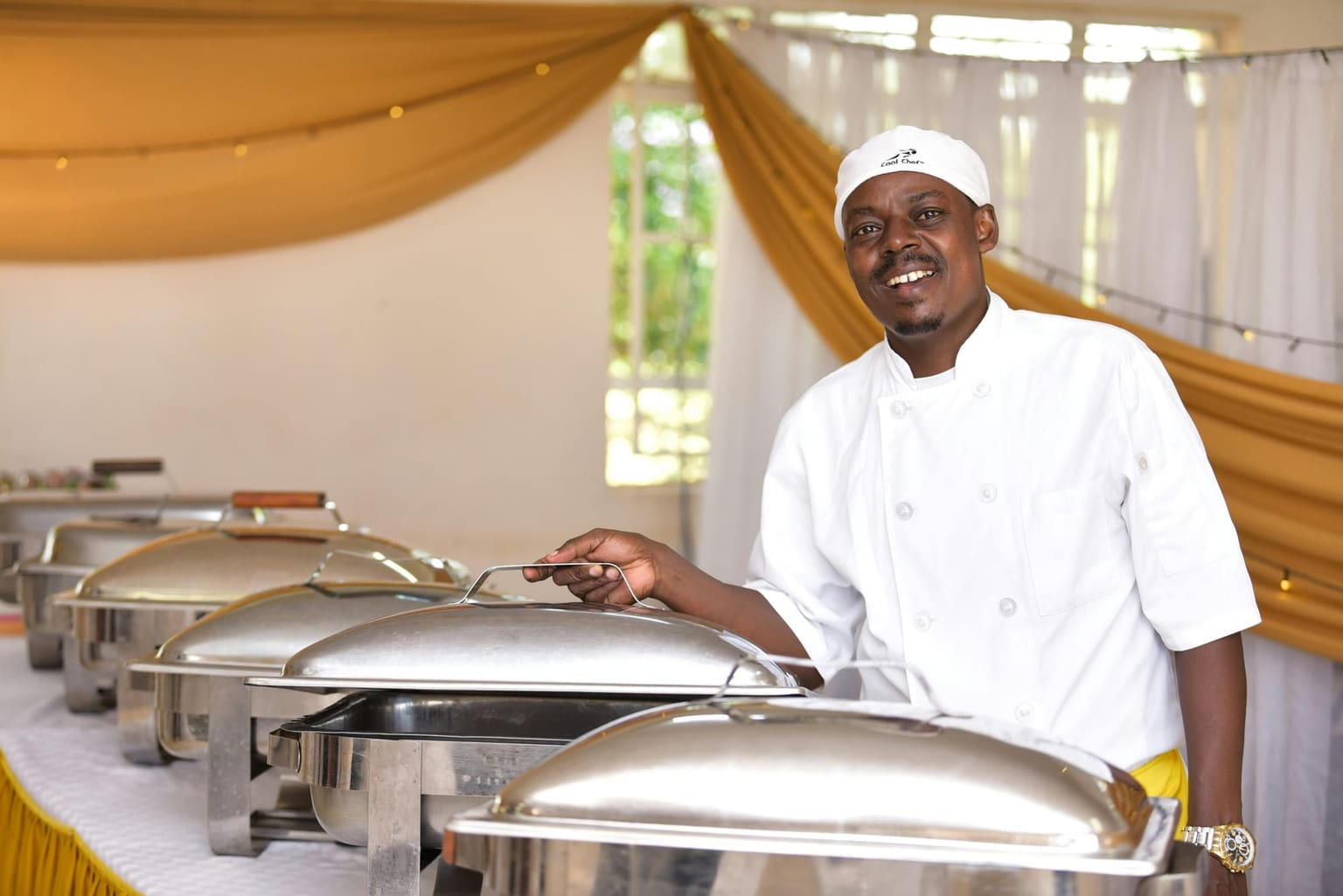
A full-service hotel or fine-dining restaurant (150+ covers) requires a complete kitchen suite including island cooking station, extraction system, multiple prep zones, a servery with bain maries, a complete wash-up area, a receiving bay, and cold storage. Projects at this level typically run from KSh 2,500,000 upward.
What Nairobi County Health Inspectors Check
When you apply for or renew a food business licence in Nairobi County, health inspectors specifically examine: whether all food contact surfaces (worktables, sinks, equipment) are of smooth, non-absorbent, cleanable material (stainless steel meets this requirement; wood, raw concrete, and untreated surfaces do not); whether there is adequate hand-washing provision separate from food preparation sinks; whether the drainage system includes a grease trap; and whether the extraction and ventilation is adequate for the cooking equipment in use.
Inspectors are not particularly focused on brand names or equipment prices — they are looking for compliance with basic food safety principles. A properly fabricated Grade 201 | 304 stainless kitchen satisfies the inspection requirements straightforwardly.
Buying Local vs Importing Equipment
Locally fabricated equipment from Beyond Commercial Kitchen has two primary advantages over imported alternatives for Nairobi restaurants: lead times (1–3 weeks for custom fabrication versus 4–12 weeks for import with shipping and customs) and custom sizing (local fabrication is built to your exact kitchen dimensions, not to standard export sizes that may not fit your space).
For equipment that is difficult to fabricate locally — refrigeration units, combi ovens, commercial dishwashers — importing from reputable suppliers is appropriate. For stainless steel fabrication (worktables, sinks, extraction canopies, servery counters, shelving, drainage) local fabrication at Grade 201 | 304 standard is the correct and most cost-effective choice.